
Quick Answer
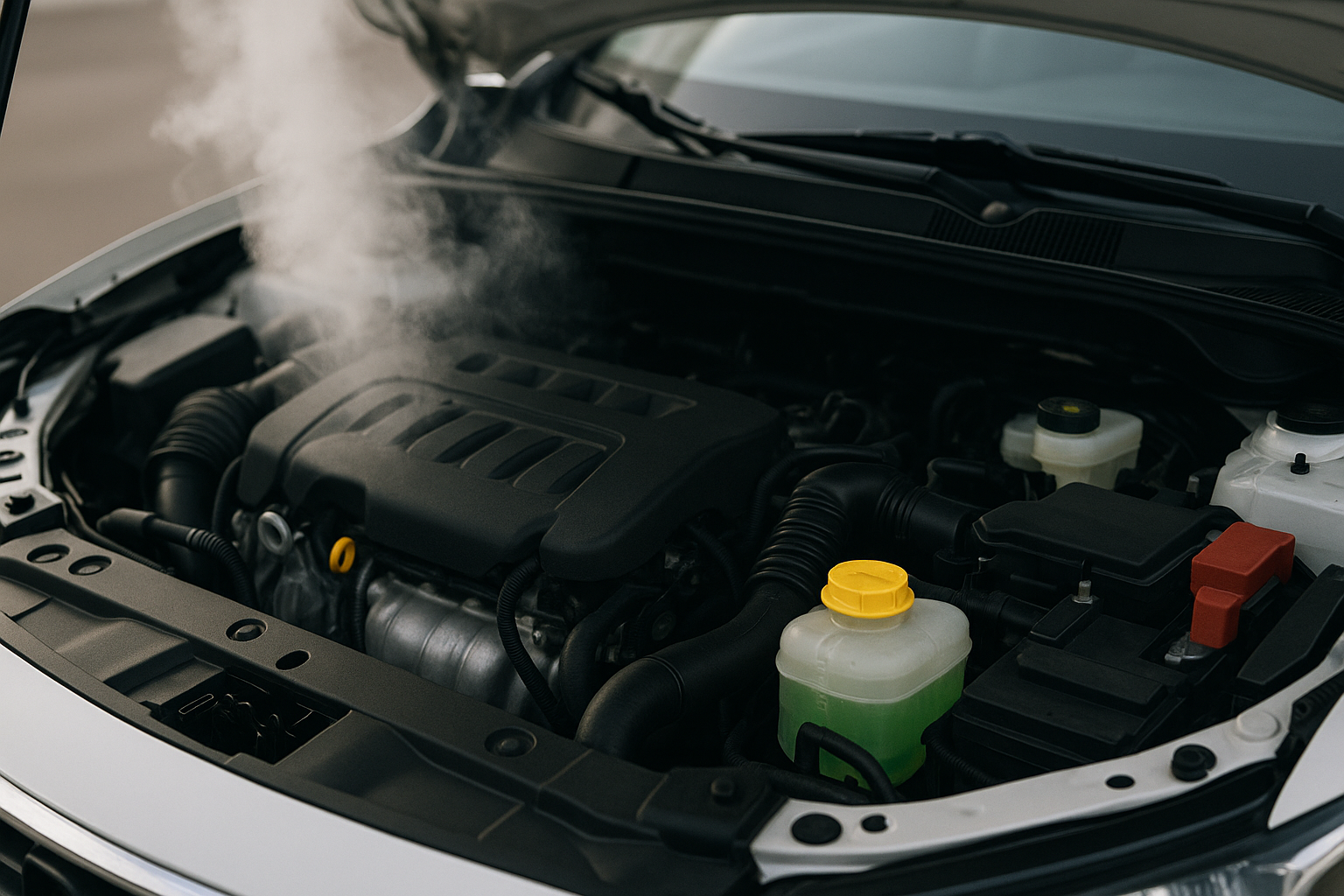
If your car is overheating even though it has coolant, the cooling system likely isn’t circulating or holding pressure. Usual causes include a stuck thermostat, inoperative cooling fans, trapped air after a refill, a weak water pump, a clogged radiator, or a bad radiator cap. Less obvious faults—like a head gasket leak or a collapsing hose—can also trigger overheating without an obvious coolant loss. A full reservoir doesn’t guarantee the radiator is full or that the system is pressurizing and flowing as it should.
Why a Car Can Overheat Even With Coolant in It
The engine relies on a pressurized, closed-loop system to move heat away from internal parts. The water pump circulates coolant, the thermostat meters flow as the engine warms, and the radiator (with help from fans and forward motion) rejects heat to the air. The radiator cap maintains pressure so the coolant’s boiling point stays high and the system can draw fluid back from the overflow tank as it cools.
Even when the reservoir shows fluid, any fault that restricts coolant flow, blocks airflow, reduces pressure, or introduces air pockets can send temperatures into the danger zone. Also remember: the reservoir and radiator are separate spaces. A weak cap, cracked overflow hose, or small leak can leave the radiator itself low while the reservoir appears normal.
Common Causes and What They Look Like
Thermostat Stuck Closed or Partially Open
If the thermostat sticks shut, hot coolant can’t reach the radiator and temperature climbs rapidly. A thermostat stuck partway open can’t flow enough under load or at highway speeds.
- Signs: Heater blows cold at idle, upper radiator hose stays cool well after warm-up, temperature spikes then drops.
- Why it happens: Age, debris, or deposits from degraded/mixed coolant.
Cooling Fans Not Engaging
Electric radiator fans should run once the engine is hot or whenever A/C is on. If they don’t, overheating shows up at idle or in traffic but not at speed.
- Signs: Overheats at stoplights or with A/C; fans off despite a hot gauge. Possible faults: blown fuse, bad relay, failed fan motor, faulty coolant temp sensor, or control module issue.
Air Pockets After a Coolant Service
Trapped air blocks circulation and can keep the thermostat from seeing hot coolant, preventing full opening. Many modern cars require a specific bleed or vacuum fill procedure.
- Signs: Gurgling, inconsistent cabin heat, sudden temp spikes even with adequate fluid volume.
- Why it happens: Improper refill, low coolant drawing in air, or small leaks.
Radiator Cap Not Holding Pressure
A weak cap lowers system pressure and the coolant’s boiling point, allowing hot spots to flash to steam. It may also fail to pull coolant back from the reservoir as the engine cools, leaving the radiator low.
- Signs: Reservoir level rises and doesn’t return, crust near the cap, hoses feel soft when hot, bubbles in the reservoir right after shutdown.
Clogged or Internally Restricted Radiator
Scale, rust, or silicate dropout reduces flow through radiator tubes; externally, bent fins or debris between the A/C condenser and radiator block airflow.
- Signs: Runs hot at highway speeds, uneven temperature across the radiator (cold spots), dirty fins, rusty or sludgy coolant.
Failing Water Pump or Slipping Belt
A worn impeller or a slipping drive belt reduces coolant circulation. Some pumps with plastic impellers erode and move little coolant.
- Signs: Whine or wobble at the pump, visible leaks, poor cabin heat at idle, temperature that changes with RPM, belt glazing or improper tension.
Head Gasket Leak or Combustion Gas Intrusion
Combustion gases entering the cooling system add heat, create air pockets, and can over-pressurize hoses and the reservoir. Early stages may not show milky oil or visible white smoke.
- Signs: Rapid pressurization from a cold start, unexplained coolant loss, sweet exhaust smell, persistent bubbles in the reservoir, oily sheen in coolant.
Collapsed or Blocked Hoses
Old hoses can soften and collapse under pump suction. Internal delamination or debris can intermittently restrict flow.
- Signs: Lower radiator hose collapses at higher RPM, spongy hoses, heat issues that appear or disappear with RPM or bumps.
Heater Core or Bypass Circuit Issues
On some engines, the heater circuit aids bleeding and overall circulation. A clogged heater core or stuck heater valve can trap air or reduce flow.
- Signs: No heat at idle but heat returns with RPM; gurgling behind the dash; temperature changes when adjusting heater controls.
Wrong Coolant Type or Mix
Coolant must meet the manufacturer’s spec and typically be mixed ~50/50 with distilled water (adjust for climate). Too much water lowers boil-over protection; too much concentrate reduces heat transfer. Mixing incompatible types can form sludge.
- Signs: Brown gel-like deposits, recurring overheating after a flush, corroded components.
Symptoms-to-Causes Cheat Sheet
| Symptom Pattern | Most Likely Causes | Quick Checks |
|---|---|---|
| Overheats at idle/low speed, fine on highway | Fans not working, clogged condenser/radiator fins, weak radiator cap | Watch fans with A/C on; inspect for debris; test/replace cap |
| Overheats at highway speeds, fine at idle | Restricted radiator flow, thermostat partially stuck, collapsing lower hose | Feel for cold spots on radiator; monitor hose behavior; replace thermostat |
| Temp spikes after coolant change | Air trapped in system, improper bleed procedure | Run heater full hot; use bleeder screws; vacuum-fill or bleed |
| Reservoir full but radiator low | Bad radiator cap, small leaks drawing air, cracked overflow hose | Check radiator when cold; inspect overflow hose; replace cap |
| Rapid pressurization and persistent bubbles | Head gasket leak, cracked head/block | Block test for combustion gases; cooling system pressure test |
| Overheats with A/C on | Fans weak, airflow blocked, condenser heat load exposing marginal cooling | Verify fan speed; clean fins; check fan relays and shrouds |
What to Do Immediately When the Temperature Spikes
Act quickly to protect the engine. If the gauge rises above normal, switch off A/C and turn the heater to max with the blower on high to shed heat. If temperature keeps climbing, pull over safely, shut the engine off, and let it cool completely. Never remove the radiator cap when hot—pressurized coolant can cause severe burns. Once cool, check the radiator level (not just the reservoir), look for leaks, confirm fans run as the engine warms, and arrange a tow if the cause isn’t obvious.
Step-by-Step Diagnosis You Can Do at Home
- Cold-level check: With a cold engine, remove the radiator cap and confirm the radiator is full. Top up with the correct mix and set the reservoir to the “cold” mark.
- Inspect the radiator cap: Check seals and spring tension. Caps are inexpensive—replace any suspect cap.
- Visual inspection: Look for white crust, dampness, or stains at hose ends, the pump weep hole, radiator seams, and the thermostat housing. Verify belt condition and tension.
- Bleed the system: If air is likely, open bleeder screws (if equipped), park nose-up, set heater to hot, and idle the engine while gently squeezing the upper hose. Top up as the level drops.
- Fan test: With the engine warm and A/C on, confirm fans run and reach high speed. If not, check fuses/relays and power the fan directly to test the motor.
- Thermostat behavior: From a cold start, the upper hose should stay cool until warm-up, then heat quickly as the thermostat opens. No change suggests a stuck unit.
- Flow and hot spots: Use an infrared thermometer across the radiator. Large cold sections indicate blockage. Watch the lower hose for collapse at higher RPM.
- Pressure test: Use a cooling system pressure tester (often available as a loaner). The system should hold rated pressure without dropping.
- Combustion leak check: Use a block tester at the radiator neck to detect combustion gases if a head gasket leak is suspected.
- Scan data: Read live OBD-II data for coolant temperature and fan command. Compare the gauge to the sensor reading to spot sender or cluster issues.
Fixes and Typical Costs
Actual costs depend on vehicle, engine layout, and labor rates. These rough ranges cover many mainstream cars:
| Repair | Parts (USD) | Labor (USD) | Notes |
|---|---|---|---|
| Radiator cap | $10–$25 | $0–$30 | Quick DIY; restores pressure and proper overflow function |
| Thermostat + gasket | $20–$150 | $90–$350 | Common fix for rapid overheating or temp swings |
| Cooling fan assembly | $150–$400 | $150–$400 | Includes motor and shroud; verify relays and wiring first |
| Radiator replacement | $120–$400 | $350–$900 | Clogged or leaking radiators reduce cooling capacity |
| Water pump | $50–$300 | $300–$900 | Higher if timing belt–driven (replace belt, tensioner, seals) |
| Hoses and clamps | $15–$40 each | $80–$200 | Replace if soft, swollen, cracked, or collapsing |
| Coolant flush and bleed | $25–$60 | $90–$200 | Use the correct spec coolant; vacuum-fill helps prevent air |
| Temp sensor/relay | $20–$80 | $80–$200 | Fan control issues often trace to electrical faults |
| Head gasket repair | $150–$400 | $1,200–$3,000+ | Includes machining and bolts; confirm with tests first |
Prevention: Maintenance and Driving Habits That Help
- Change coolant on schedule using the specified type; avoid mixing OAT, HOAT, and silicated coolants unless labeled compatible.
- Replace the radiator cap every few years or at the first sign of seal wear.
- Inspect belts, hoses, and clamps at every oil change; squeeze hoses for firmness and check for seepage.
- Keep radiator and condenser fins clean; rinse gently from the engine side out.
- Bleed air properly after any cooling system service; vacuum-fill engines known to trap air.
- Watch the temperature gauge when towing, climbing long grades, or in extreme heat; downshift to raise pump flow if temps creep up.
- Fix small leaks promptly; low coolant invites air and corrosion.
When It’s Safe to Drive and When to Tow
If the temperature rises slightly but stabilizes with the heater on, you may be able to reach a safe location. Do not drive if the gauge nears the red, you see steam, the engine runs rough, or the fans don’t run. Severe overheating can warp heads and damage head gaskets within minutes. When in doubt, stop, let the engine cool fully, and arrange a tow.
Frequently Asked Questions
Why is my car overheating if the coolant reservoir is full?
The reservoir can be full while the radiator is low if the radiator cap can’t draw coolant back as the engine cools, the overflow hose is cracked, or a small leak is letting in air. Circulation or pressure issues—like a stuck thermostat, failed fans, restricted radiator, or weak water pump—also cause overheating even when the total fluid volume looks adequate.
My car overheats only at idle. What should I check first?
Confirm the radiator fans run at idle, especially with A/C on. If they don’t, check fuses, relays, and the fan motor. Also look for debris blocking the condenser or radiator and verify the radiator cap holds pressure. Fan problems are the most common cause of idle-only overheating.
Why does my car run hot on the highway but cool down in traffic?
That pattern points to restricted coolant flow rather than airflow. A partially stuck thermostat, clogged radiator, or collapsing lower hose can’t keep up with heat at speed. At idle the engine makes less heat, so temperature looks normal even though flow is marginal.
How do I bleed air from the cooling system at home?
Start cold. Set the heater to max, fill the radiator to the neck with the correct mix, and fill the reservoir to the cold mark. Park nose-up if possible. Open any bleeder screws, start the engine, and idle while topping up as bubbles escape. Gently squeeze the upper hose. Close bleeders when a steady stream appears and reinstall the cap after the thermostat opens and the level stabilizes.
Is it safe to remove the radiator cap to check the level?
Only when the engine is completely cold. A hot system is pressurized and can release scalding coolant. If you must vent pressure, cover the cap with a thick cloth and open it one notch to release pressure, then wait until fully cool before removing.
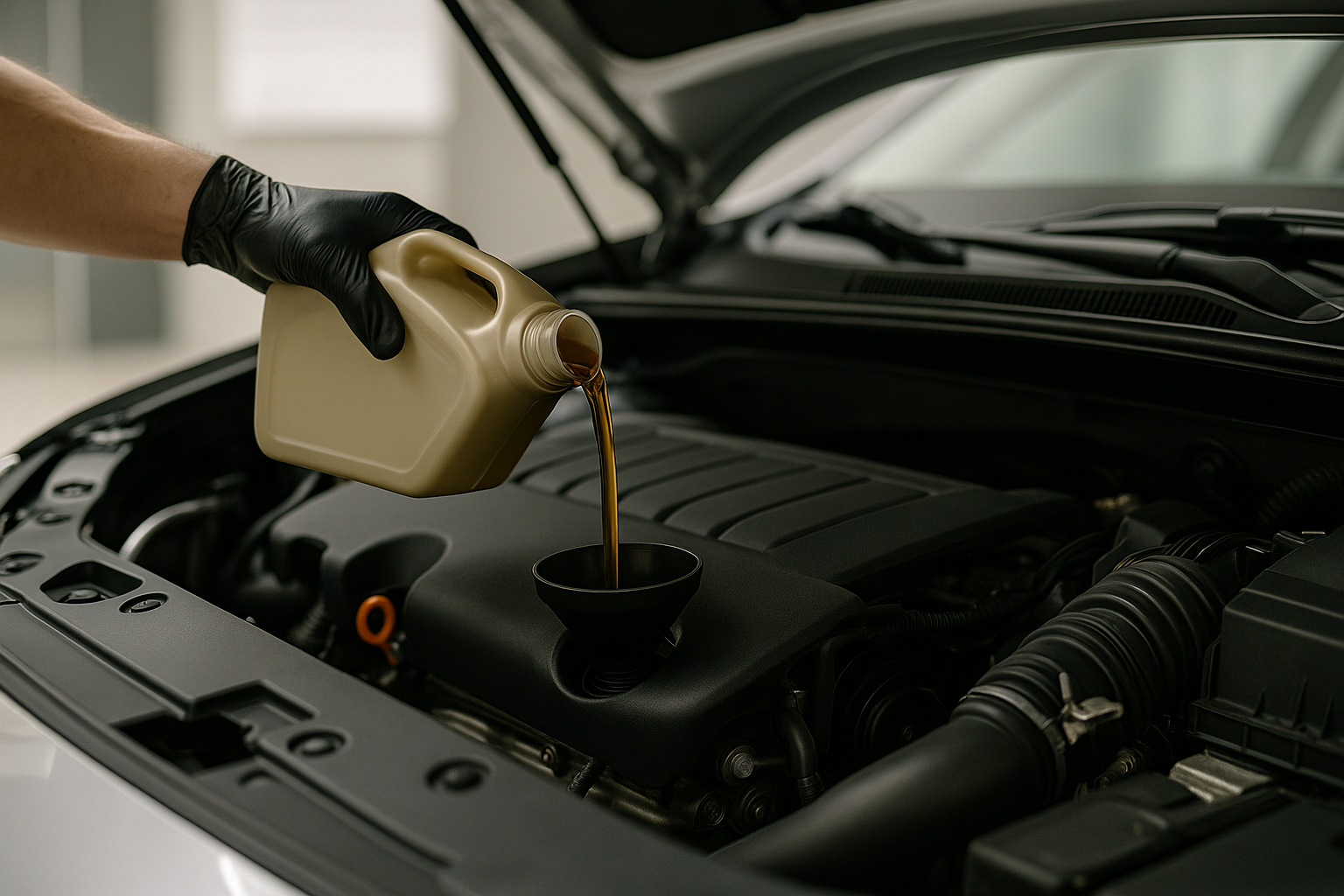
Can low engine oil make my car overheat?
Low oil raises friction and reduces heat removal inside the engine, which can push temperatures higher, but it rarely causes a rapid boil-over by itself. If the car is running hot, correct the oil level and inspect the cooling system for circulation, airflow, and pressure issues.