How to Inspect a Used Car Before Buying

How to Inspect a Used Car Before Buying
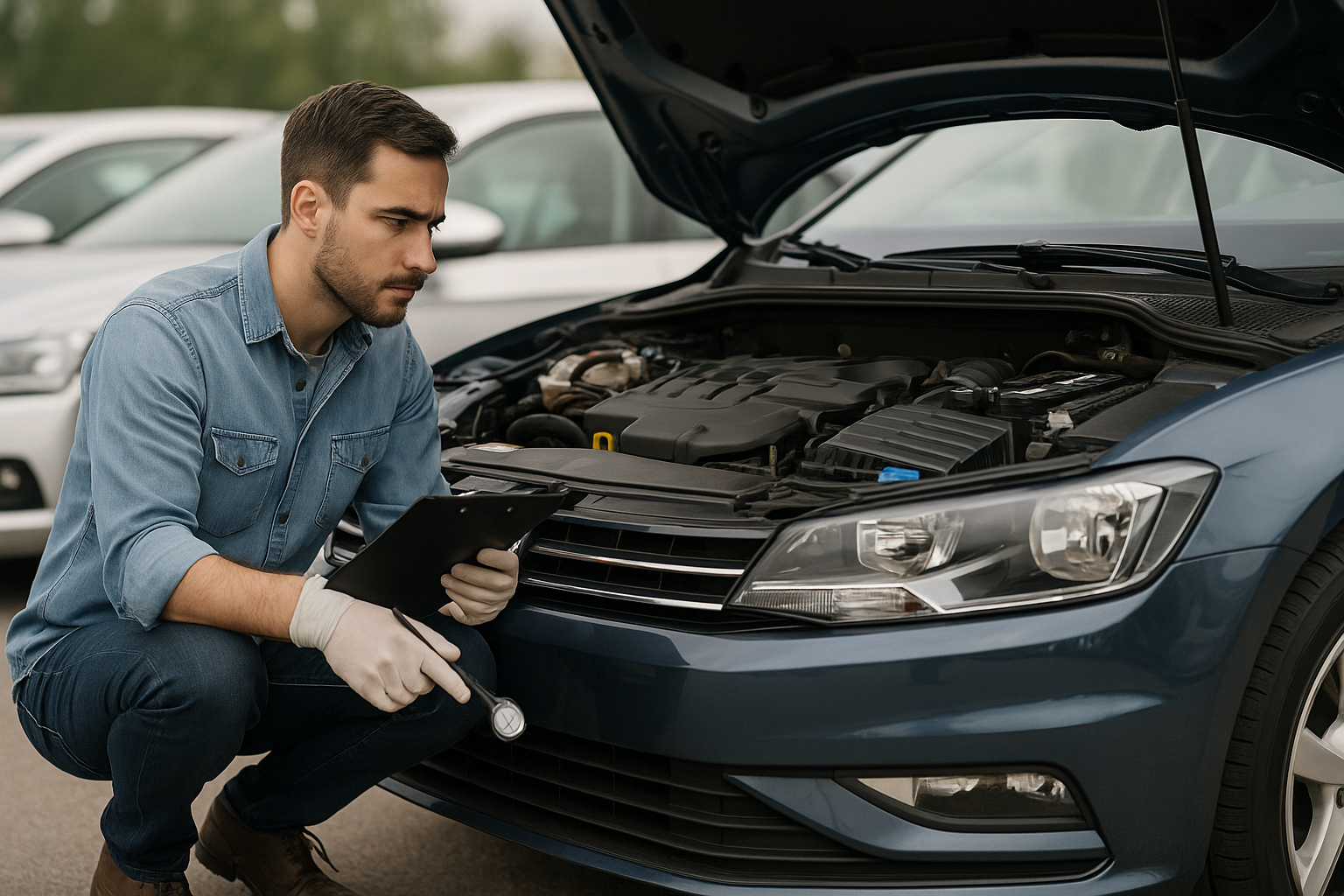
Quick Answer Inspect a used car by verifying the title and history, walking the exterior for accident signs or rust, checking fluids and under-hood components, testing every electronic feature, and taking a thorough test drive starting from a true cold start. Scan for diagnostic codes, review maintenance records, and finish with an independent pre-purchase inspection … Read more
What Is a Certified Pre-Owned Car?

What Is a Certified Pre-Owned Car?

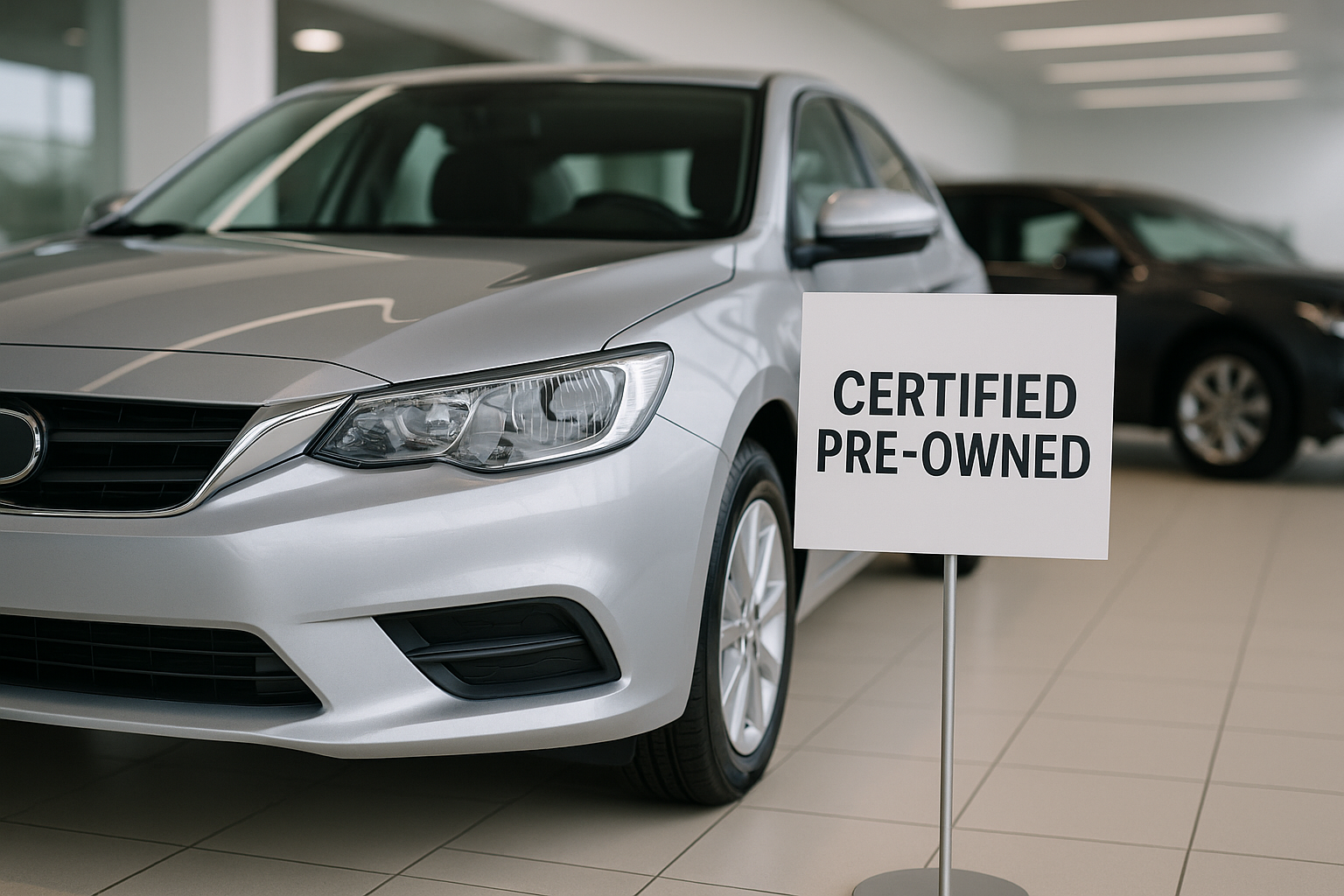
Quick Answer A certified pre-owned (CPO) car is a late-model, low-mileage used vehicle that has passed a manufacturer-designed inspection and reconditioning process and is sold with an extended, automaker-backed warranty. Benefits typically include roadside assistance and other perks. CPO vehicles cost more than comparable non-certified used cars and are usually available only through franchised dealerships … Read more

How to Find Out If a Car Has a Salvage Title

How to Find Out If a Car Has a Salvage Title

Quick Answer To find out if a car has a salvage title, start by getting the full 17-character VIN from the seller and clear photos of the current title (front and back). Run the VIN through an NMVTIS-approved provider, check the free NICB VinCheck, consider a paid history report (Carfax/AutoCheck), and verify title status with … Read more

Should You Buy a New or Used Car?

Should You Buy a New or Used Car?

Quick Answer Buy new if you plan to keep the car for many years, want the latest safety tech and full warranty coverage, and can secure a strong financing rate or qualify for EV incentives. Buy used if you want the lowest total cost, can live without custom ordering, and you’re willing to verify the … Read more

Can You Buy a Car With a Debit Card?

Can You Buy a Car With a Debit Card?

Quick Answer Yes, you can sometimes buy a car with a debit card, but it depends on the seller and the amount. Many dealerships allow debit cards for deposits or a portion of the price, and some will accept a full payment if you coordinate with your bank to raise limits. Private sellers typically cannot … Read more

How Long Does It Take to Buy a Car From a Dealership?

How Long Does It Take to Buy a Car From a Dealership?

Quick Answer Most buyers spend 2–4 hours at a dealership from arrival to driving off the lot. Well-prepared shoppers with a specific vehicle reserved, a confirmed out-the-door price, and preapproved financing can wrap up in 60–90 minutes. Busy weekends, trade-in appraisals, dealer-arranged financing, or accessories can stretch it to 4–6 hours. If a car needs … Read more

What to Bring When Buying a Car From a Dealership

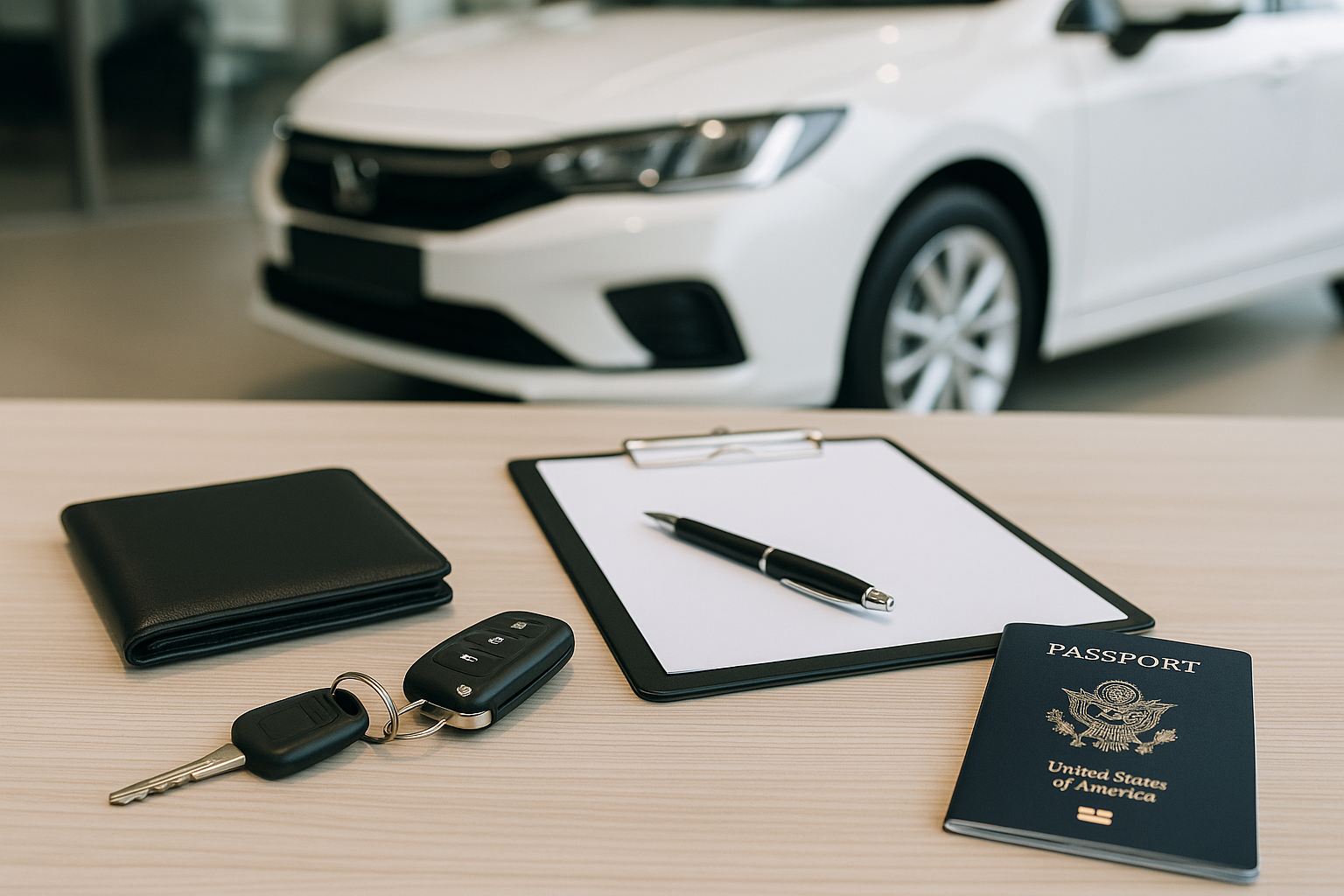
What to Bring When Buying a Car From a Dealership

Quick Answer Bring a valid driver’s license, proof of insurance (or your insurer’s contact to bind coverage), a way to pay your down payment, and all documents tied to financing and any trade-in. That typically means recent pay stubs and proof of address if you’re financing; your current registration, title (or a 10-day payoff letter), … Read more

Can You Return a Used Car After Buying It?

Can You Return a Used Car After Buying It?

Quick Answer In most cases, you cannot return a used car after buying it unless your contract or state law gives you that right. Dealerships are not required to take a car back for buyer’s remorse, and the federal cooling-off rule does not apply to cars bought at a dealership. Returns may be possible if … Read more

How to Tell If a Used Car Has Been in an Accident

How to Tell If a Used Car Has Been in an Accident

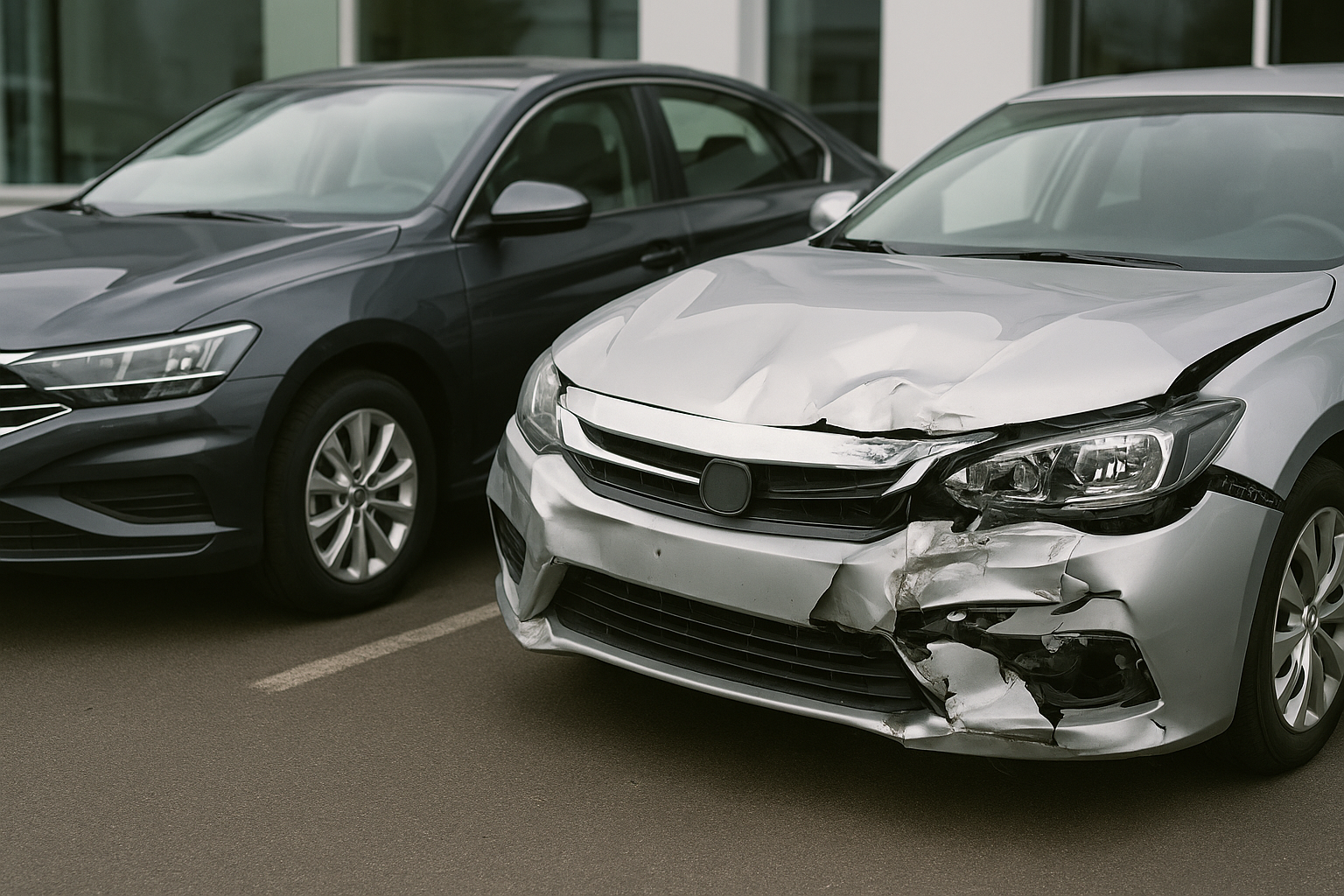
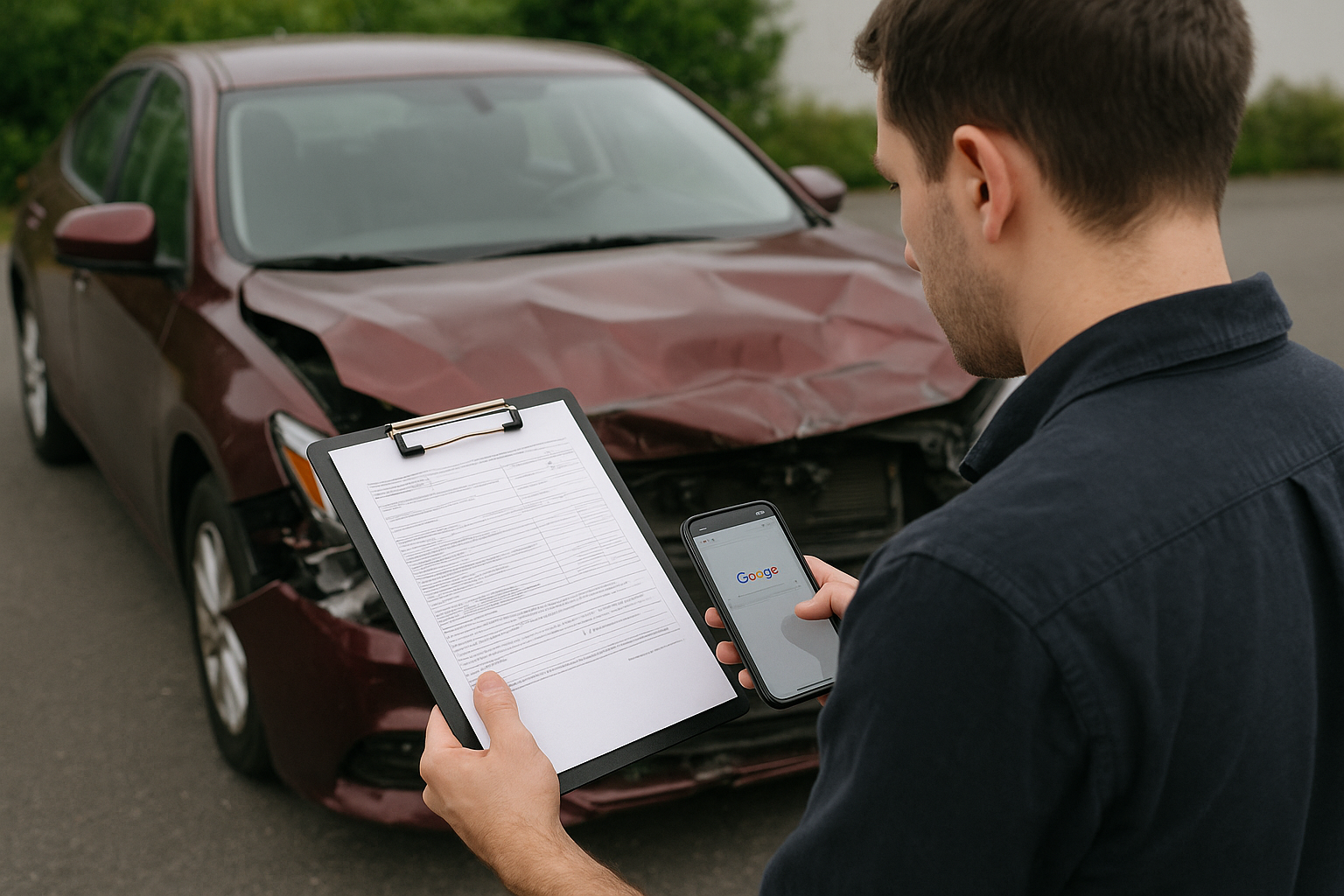
Quick Answer To tell if a used car has been in an accident, look for mismatched paint, uneven panel gaps, overspray on trim, disturbed bolts, and replaced glass or lights with different date codes. Check the underbody and engine bay for rippled metal, non-factory welds, or bent frame rails, and watch how the car tracks … Read more