How Often Should You Change Your Car’s Oil?
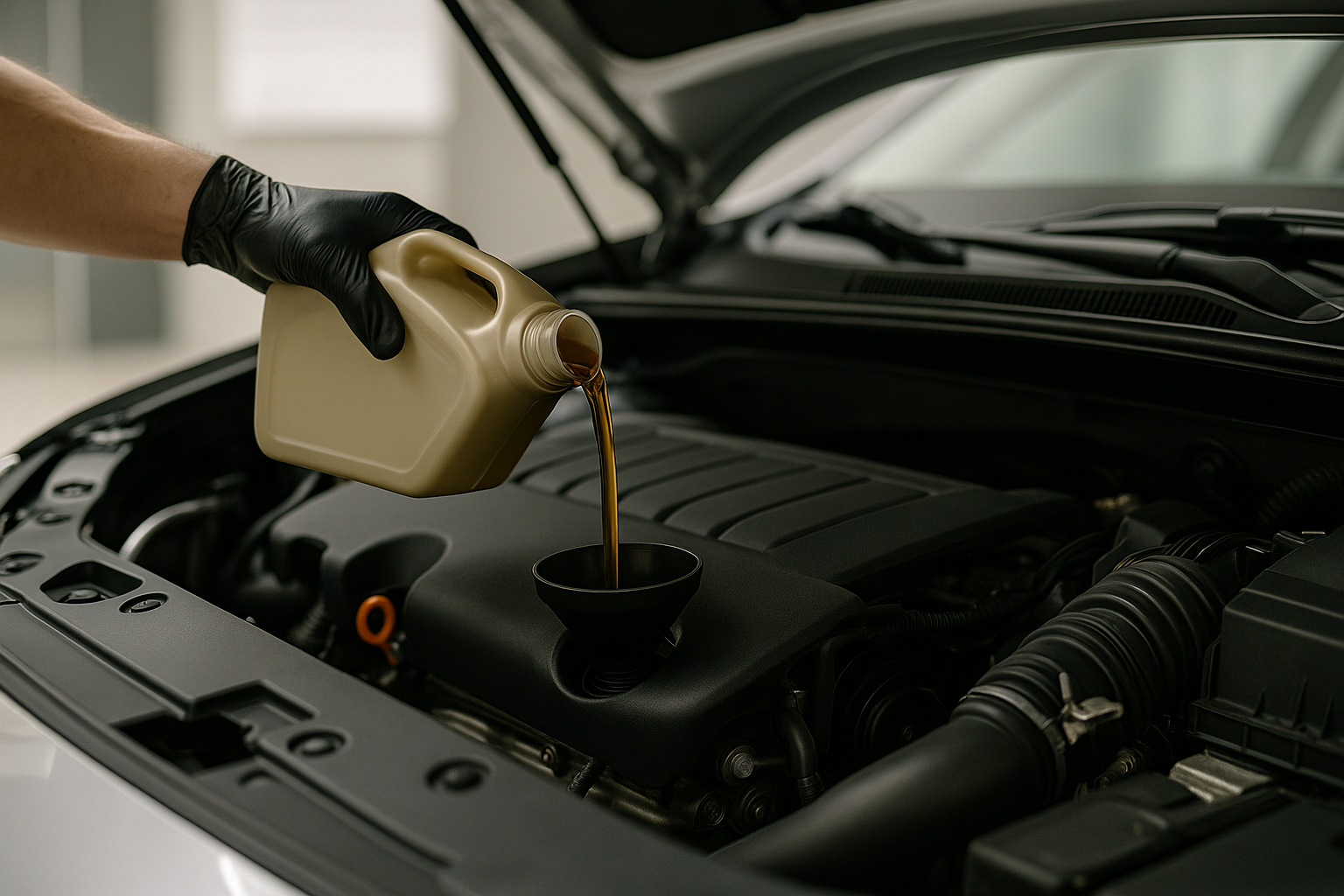
How Often Should You Change Your Car's Oil?

Quick Answer Most modern cars running full-synthetic oil can safely go 7,500 to 10,000 miles or about 12 months between oil changes. Older vehicles or those on conventional oil typically need changes every 3,000 to 5,000 miles. If you tow, sit in heavy stop-and-go traffic, take frequent short trips, drive in extreme heat or cold, … Read more
What Is a Lease Acquisition Fee?

What Is a Lease Acquisition Fee?

Quick Answer A lease acquisition fee is a one-time charge set by the leasing company to open and process your lease. It typically ranges from a few hundred dollars to over a thousand, varies by lender and credit tier, and is sometimes called a bank fee or origination fee. You can pay it upfront at … Read more

How to Calculate a Car Lease Payment

How to Calculate a Car Lease Payment

Quick Answer To calculate a car lease payment, determine the vehicle’s adjusted capitalized cost (your negotiated price plus any capitalized fees minus incentives and any cash down) and its residual value (MSRP × residual percentage). The base monthly payment equals depreciation plus finance charge: Depreciation = (Adjusted Cap Cost − Residual) ÷ Lease Term; Finance … Read more

Can You Extend a Car Lease After It Ends?

Can You Extend a Car Lease After It Ends?

Quick Answer Yes, you can usually extend a car lease, either for a few months or on a month‑to‑month basis, but you must get written approval from the lessor (the finance company on your contract). Terms vary by brand and lender: some keep your payment and per‑mile charges the same and add miles pro rata, … Read more

Why Does My Car Squeak When Braking?

Why Does My Car Squeak When Braking?

Quick Answer A squeak when braking almost always comes from high-frequency vibration between the brake pad and rotor. Typical triggers include pad wear indicators, light surface rust after rain, glazed pads or rotors from heat, missing or dirty hardware, and low-quality or mismatched pads. Some squeaks are harmless and brief, but persistent noise can point … Read more

What Happens at the End of a Car Lease?

What Happens at the End of a Car Lease?

Quick Answer At the end of a car lease, you usually have four choices: return the vehicle, buy it for the preset residual value, extend the lease briefly, or start a new lease or purchase with a different car. In the final 30–60 days, your lessor offers a pre-return inspection, you address any excess wear … Read more

Can You Buy Out a Car Lease Early?

Can You Buy Out a Car Lease Early?

Quick Answer Yes, most leases allow an early buyout, but the rules and costs depend on your contract and lender. An early buyout payoff typically includes your remaining payments, the residual value, a purchase option fee, taxes, and registration costs; some lenders also add per-diem interest or small administrative fees. If your car’s market value … Read more

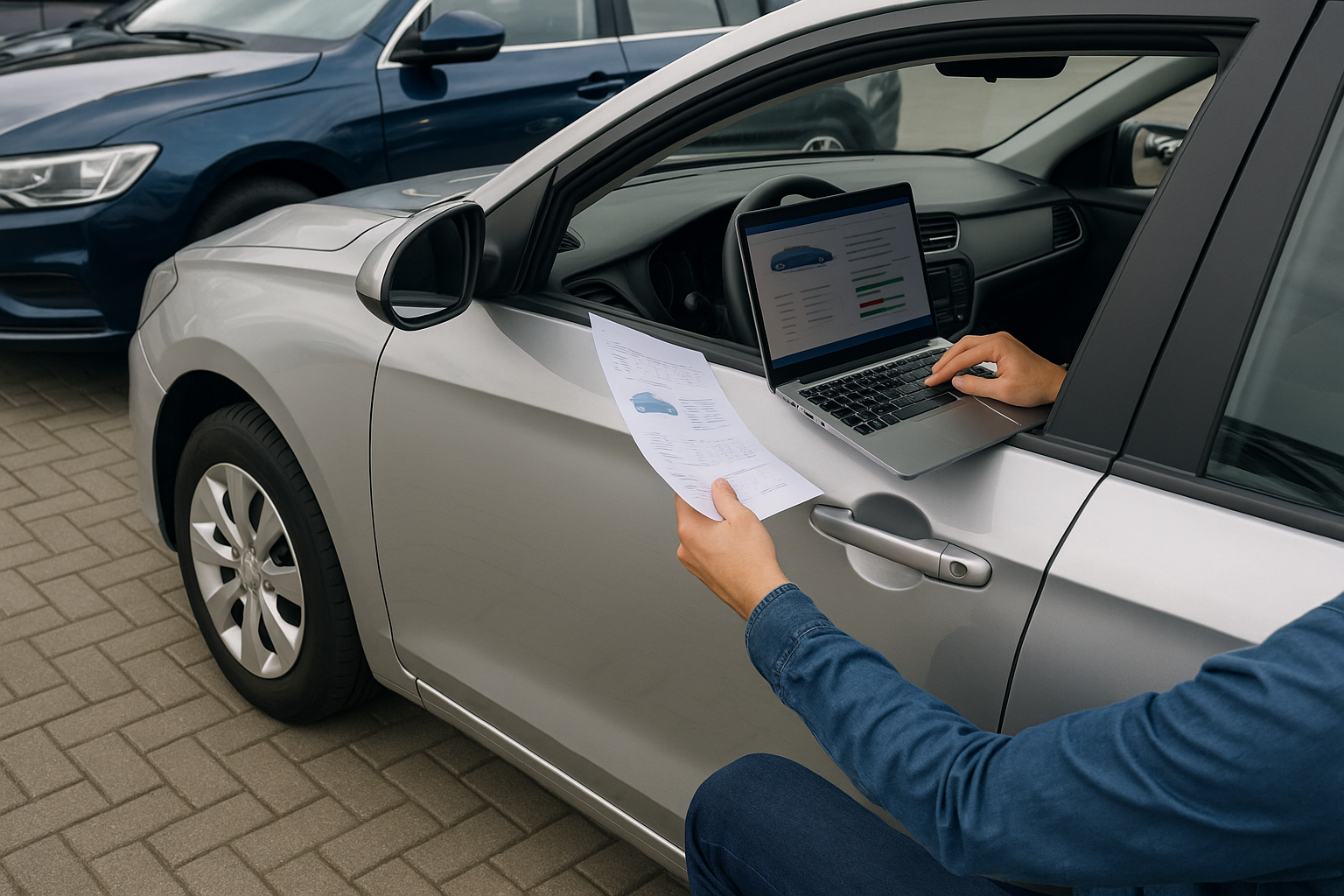
How to Check a Used Car’s History Before Buying

How to Check a Used Car's History Before Buying

Quick Answer To check a used car’s history, get the 17-character VIN and verify it matches in multiple places on the car and on the title or registration. Run the VIN through trusted databases for title brands, accidents, mileage, theft, liens/finance, recalls, and service records, and verify any red flags with paperwork. Combine those results … Read more

Can You Lease a Car in Someone Else’s Name?

Can You Lease a Car in Someone Else's Name?

Quick Answer You generally can’t lease a car “in someone else’s name” for your own use unless that person is actually part of the deal as the lessee, co-lessee, or guarantor. Lenders expect the named lessee to be the primary responsible party and to accurately disclose who will drive and where the vehicle will be … Read more

Can You Lease a Car With No Credit History?

Can You Lease a Car With No Credit History?

Quick Answer Yes, you can lease a car with no credit history, but approval is harder and the lease will often cost more. Lenders may ask for a cosigner, larger upfront cash, or a refundable security deposit, and you’ll likely pay a higher money factor (the lease version of an interest rate). Targeting manufacturer “first-time … Read more