

Quick Answer
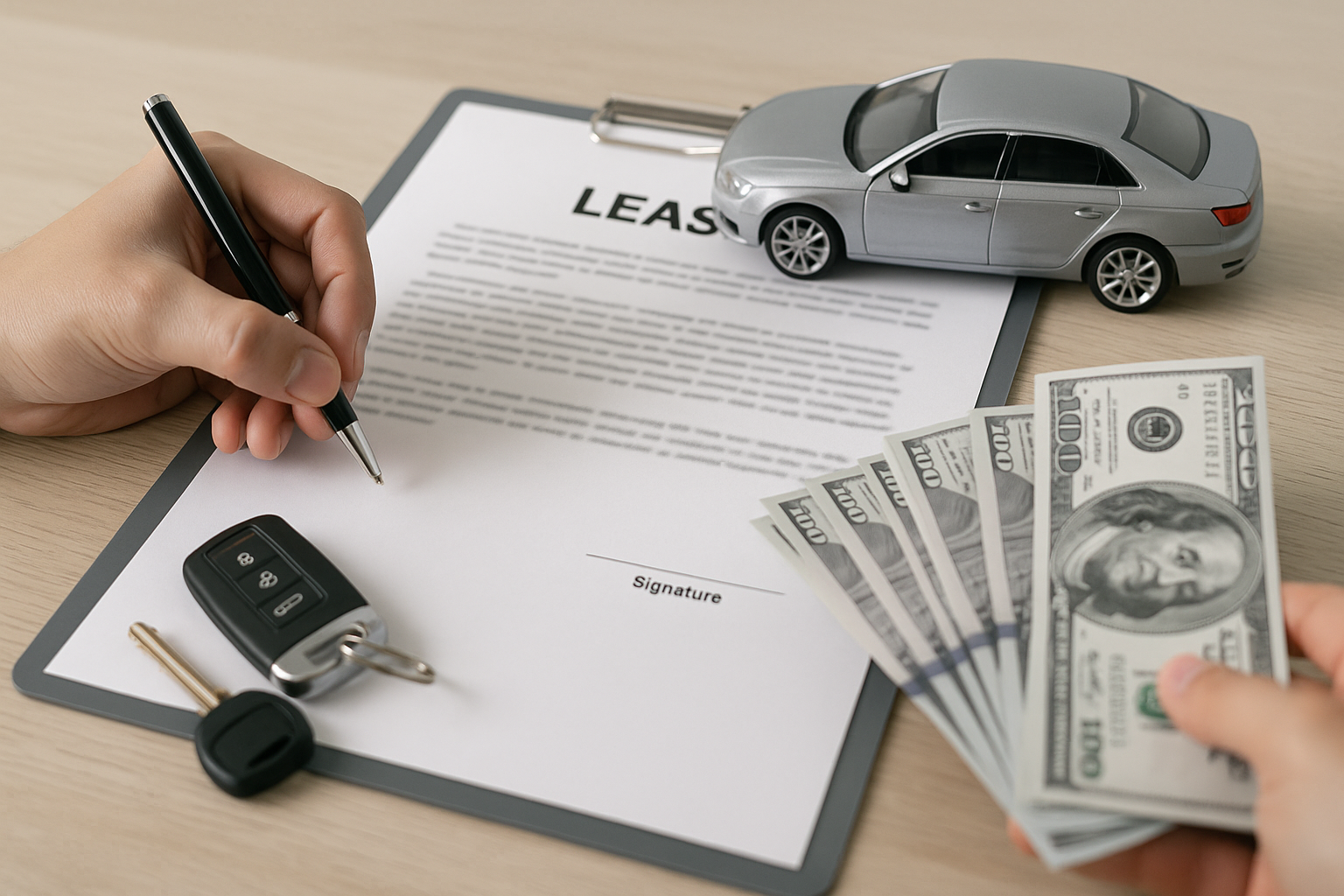
You generally can’t lease a car “in someone else’s name” for your own use unless that person is actually part of the deal as the lessee, co-lessee, or guarantor. Lenders expect the named lessee to be the primary responsible party and to accurately disclose who will drive and where the vehicle will be garaged. Legitimate options include adding a co-lessee, using a co-signer/guarantor, listing the real primary driver on the application and insurance, signing under a business with a personal guarantee, or using a power of attorney to sign on behalf of the actual lessee. What you can’t do is misrepresent the primary driver, hide the true garaging address, or sublease the vehicle without the lessor’s written consent.
What “Leasing in Someone Else’s Name” Really Means
People use this phrase to describe a few different situations. Sometimes a parent with stronger credit wants to secure a lease for an adult child. Other times, a spouse, partner, or friend plans to pay but wants the lease to appear on the other person’s credit. Each version has different rules and risks:
- Signing and paying for a lease in another person’s name without their knowledge or involvement isn’t allowed and may constitute fraud if the primary driver or garaging address is misrepresented.
- Having the other person be the lessee while you are the regular driver can be permissible if disclosed to the lessor and insurer; the named lessee still bears full legal and financial liability.
- Adding a co-lessee or co-signer is common and often the cleanest way to share responsibility or bolster approval odds.
- Using a power of attorney lets you sign documents for the lessee; it does not move liability off that lessee.
- Subleasing the car to someone else is almost always prohibited unless the leasing company approves a formal lease transfer/assumption.
Why Lenders and Lessors Care
Lease pricing and approvals are built around risk. Lessors need to know who will drive, who will pay, and where the car will live because those factors affect credit risk, insurance, taxes, and vehicle recovery if something goes wrong. Misstating the primary driver or garaging address can violate the lease, alter tax obligations, change insurance premiums, complicate claims, and lead to default or repossession. In short, the name on the lease should match the responsible payer, and the lessor must know who will regularly operate and where the car will be kept.
Legitimate Ways to Structure It
1) Co-signer or Guarantor
A co-signer (guarantor) agrees to cover payments if the primary lessee can’t. This helps a lessee with thin or bruised credit qualify or obtain better terms. The co-signer typically does not gain rights to use the car by virtue of co-signing but shares full financial liability for payments, excess wear, and early termination. The lease remains in the primary lessee’s name; both parties undergo credit checks, and late payments can hit both credit reports.
2) Co-lessee or Joint Lease
Some finance companies allow joint lessees. Both names appear on the lease and registration, both can use the car, and both are equally liable for payments, mileage, and wear. Joint leases are common for spouses and domestic partners and can work for parent–adult child arrangements. Because both are lessees, underwriters view the shared credit strength, and both credit files reflect the account. If one party plans to move or store the vehicle elsewhere, disclose the correct garaging address and update it if circumstances change.
3) Lessee plus Authorized Drivers
The simplest structure is one lessee with other regular drivers listed on the insurance. Many lessors don’t require every driver to be named on the lease itself, but they do require accurate disclosure on the credit application and proof of insurance showing the lessor as loss payee and additional insured. If someone else will be the primary driver, state that during the application process and ensure the policy lists all regular drivers. The lessee remains responsible for payments, tickets, tolls, damage, and disposition or early termination fees. Some lenders may ask the primary driver to be present at signing or provide additional identification if they live at a different address.
4) Business Lease with a Personal Guarantee
If you run a business, you can lease under the company’s name. Most lenders will require a personal guarantee for small or newer businesses. You’ll need appropriate commercial or business-use insurance, and you must track personal miles for tax purposes. The garaging address should match where the vehicle actually lives and operates. Using a business lease primarily for personal driving without the right documentation can create tax and insurance complications.
5) Power of Attorney (POA) or Legal Guardianship
When the intended lessee can’t be present (deployed military, hospital stay, extended travel), a dealer may accept a notarized power of attorney so a trusted person can sign. The lease remains in the absent person’s name and under their responsibility. For minors or individuals under guardianship, state-specific rules apply. A minor typically can’t be a lessee; a parent or guardian would sign and manage insurance, listing the minor as a driver if eligible.
What You Can’t (or Shouldn’t) Do
- Straw leasing: Getting approved in one person’s name while secretly intending someone else to be the primary obligor and driver is a misrepresentation. Dealers and lenders view this like a straw purchase and may treat it as fraud.
- Subleasing: Most agreements explicitly ban subletting or renting the vehicle to others (including peer-to-peer rental platforms) without written consent from the lessor.
- Hiding the real garaging address: Taxes and insurance rates depend on where the car lives. Listing a cheaper ZIP code when the car stays elsewhere violates the contract and can jeopardize coverage.
- Quietly transferring payments: Having a friend “just make the payments” without being on the lease leaves the named lessee exposed and complicates disputes, claims, and title-related issues.
Who’s Liable, Who Can Drive, and What Goes on the Credit Report
| Structure | Who’s Liable for Payments/Fees | Who Can Drive | Credit Reporting |
|---|---|---|---|
| Single Lessee | Lessee | Lessee plus insured, authorized drivers | Lessee’s credit only |
| Lessee + Co-signer | Both (co-signer is fully liable) | Lessee plus insured, authorized drivers | Usually both; co-signer’s file shows the account |
| Joint Lessees | Both equally | Both, plus insured, authorized drivers | Both credit files |
| Business Lease + Personal Guarantee | Business and guarantor | Employees/authorized drivers per policy | Business credit; guarantor’s personal credit may reflect liability |
| POA Signing for Lessee | Lessee | Lessee plus insured, authorized drivers | Lessee’s credit |
Insurance Rules You Need to Get Right
Leased vehicles must carry comprehensive and collision coverage at limits the lessor specifies, and the lessor must be listed as both loss payee and additional insured. The named insured should match the lessee on the lease. If someone else will regularly drive, list them on the policy. If the regular driver lives at a different address, the insurer may require documentation or a separate arrangement to rate the policy correctly. Non-owner policies are usually not sufficient for a leased car’s regular driver—coverage should run through the policy naming the lessee with the lessor’s required endorsements.
Two key questions to ask your insurer: (1) Will you cover a leased car where the named insured is the lessee and the primary driver is a non-household member? (2) Will you issue proof of coverage that meets the lessor’s requirements under that setup? Get confirmation in writing or via a policy endorsement. Many lessors also set maximum deductibles and require gap coverage; confirm whether gap is included in the lease or must be added through your insurer.
Taxes, Registration, and Address Issues
Sales and use tax on leases usually follow the garaging state and the address provided at signing. If the car relocates across state lines for more than a short period, notify the lessor; they may adjust taxes and your monthly bill. Mailing and garaging addresses can differ, but the garaging location must be accurate. Registration typically lists the lessee and the lessor (as titled owner or lienholder). Some states allow a different mailing address for a regular driver, but plate-based tolls, red-light tickets, and parking citations go to the registered party—then to the lessee, often with administrative fees.
Lease Transfers and Assumptions
If the goal is for someone else to take over a lease, most lenders offer a formal lease assumption process. The new party applies, passes credit checks, pays transfer fees, and becomes the lessee for the remaining term, mileage, and wear obligations. Some lessors keep the original lessee partially liable; many fully release them. A lease assumption is not the same as subleasing, and it must be processed through the lessor even if a third-party marketplace helps match parties.
Common Scenarios and How to Handle Them
Parent leasing for a college student
Widely accepted. The parent is the lessee; the student is listed as a driver on the insurance. Use the campus or primary garaging address for accurate taxes and insurance. Make sure the mileage allowance reflects actual usage—holiday and internship travel adds up quickly.
Spouses or domestic partners with uneven credit
Consider joint lessees if both will drive and share liability, or list the stronger profile as lessee with the other as co-signer. Both approaches keep underwriting straightforward and align usage with responsibility.
Friend wants to pay but not be on the lease
Risky. Payments can come from any bank account, but legal responsibility remains with the lessee. If the friend crashes the car, misses payments, or racks up tickets, the lessee bears the consequences. If the handoff is long-term, pursue a formal lease assumption so liability matches reality.
Employee needs a car for work and personal use
Use a company lease with the employee as an authorized driver, proper commercial or business-use insurance, and a written policy governing personal use. Track personal miles for tax reporting; many employers impute income for personal use.
Practical Steps if Someone Else Will Be the Primary Driver
- Choose the structure: single lessee with authorized driver, joint lessees, or lessee with co-signer/guarantor.
- Disclose the real primary driver and garaging address on the application and to the dealer—before funding.
- Confirm the lessor’s documentation requirements for additional drivers or joint leases; policies vary by lender and state.
- Set up insurance correctly: lessee as named insured, lessor listed as loss payee/additional insured, and all regular drivers listed.
- Align taxes and registration with the garaging state; notify the lessor if the car will reside in a new state for more than a brief period.
- Keep records: POA letters, driver listings, insurance endorsements, and any written approvals for exceptions or address changes.
Penalties and Risks if You Get It Wrong
Misrepresentation can trigger a default, void gap and physical damage coverage, and accelerate the remaining lease balance. If a crash occurs and the insurer discovers undisclosed primary use or a different garaging address, claims can be delayed or denied. Lenders can repossess for contract breaches, pass along fines and tolls with fees, and report delinquencies to credit bureaus. In egregious cases—identity fraud or forged signatures—criminal charges are possible. Even without fraud, quiet handoffs often end with damaged credit, out-of-pocket charges for fees or wear, and disputes over who owes what.
Costs and Trade-offs by Option
| Option | Pros | Cons | Best For |
|---|---|---|---|
| Co-signer | Improves approval odds and rates; straightforward paperwork | Co-signer’s credit and finances at risk; no automatic usage rights | Primary lessee needs credit support |
| Joint Lessees | Shared rights and responsibilities | Both liable for wear, mileage, and early termination | Spouses/partners or parent–adult child |
| Single Lessee + Authorized Driver | Simple registration and account management | Lessee bears all risk; policy must list real regular drivers | Households where one person finances for another |
| Business Lease + PG | Potential tax benefits; separates business obligations | Personal guarantee exposure; higher insurance costs possible | Owners using the vehicle materially for business |
| Lease Assumption | Aligns liability with actual use | Transfer fees; not all lessors offer full release | Handing off or taking over an existing lease |
Key Takeaways
- You can’t secretly lease a car in someone else’s name for your own use. If they’re the lessee, they must be involved, and the arrangement must be disclosed and insured correctly.
- Co-signers and joint lessees are standard solutions when credit support or shared use is the goal.
- Insurance must mirror the lease structure; the lessor expects to be listed and the real regular drivers disclosed.
- Don’t sublease or misstate where the car lives. Use a formal lease assumption if you want someone else to take over payments and liability.
- When structured properly, parents, spouses, businesses, and absent lessees via POA can lease safely and within contract terms.
Frequently Asked Questions
Can my parent lease a car for me to use?
Yes. Your parent can be the lessee while you’re listed as a regular driver on the insurance. Use the correct garaging address (for example, your campus). Your parent remains liable for payments, mileage, and any tickets or fees billed by the lessor.
Can I insure a leased car that isn’t in my name?
Typically the lessee is the named insured, and you’re added as a listed driver. Some insurers can endorse a policy to cover a regular driver who isn’t the lessee, but the policy still needs the lessee named and the lessor listed as loss payee and additional insured. Get coverage terms in writing.
Is it legal to make payments on someone else’s lease?
You can send payments, but responsibility does not transfer. The named lessee remains fully liable. If the plan is a long-term handoff, complete the lessor’s lease assumption process so liability and credit reporting move to the actual user.
What happens if the lender discovers someone else is the primary driver?
If the application or insurance misrepresented the primary driver or garaging address, the lender can declare a default, adjust taxes or payments, and in serious cases repossess. An insurer may delay, limit, or deny a claim if undisclosed regular drivers were involved in a loss.
Can I register and insure the car at different addresses?
Mailing and garaging addresses can differ, but the garaging address must be accurate for taxes and insurance. Keep the insurer and lessor informed if the car will live at a new address for more than a brief period; some states require re-registration or tax updates after a move.
Does a co-signer get to drive or own the leased car?
No. A co-signer shares financial liability but does not gain ownership or usage rights by default. Driving rights come from being a lessee or being listed as an authorized driver on the policy with the lessee’s consent.
Can I lease a car under my LLC to keep it off my personal credit?
Possibly, but most lenders require a personal guarantee for small or new businesses, which can still affect your personal credit. You’ll also need proper business-use insurance and to track personal miles for tax reporting. Confirm your lender’s and insurer’s requirements before signing.