
Quick Answer
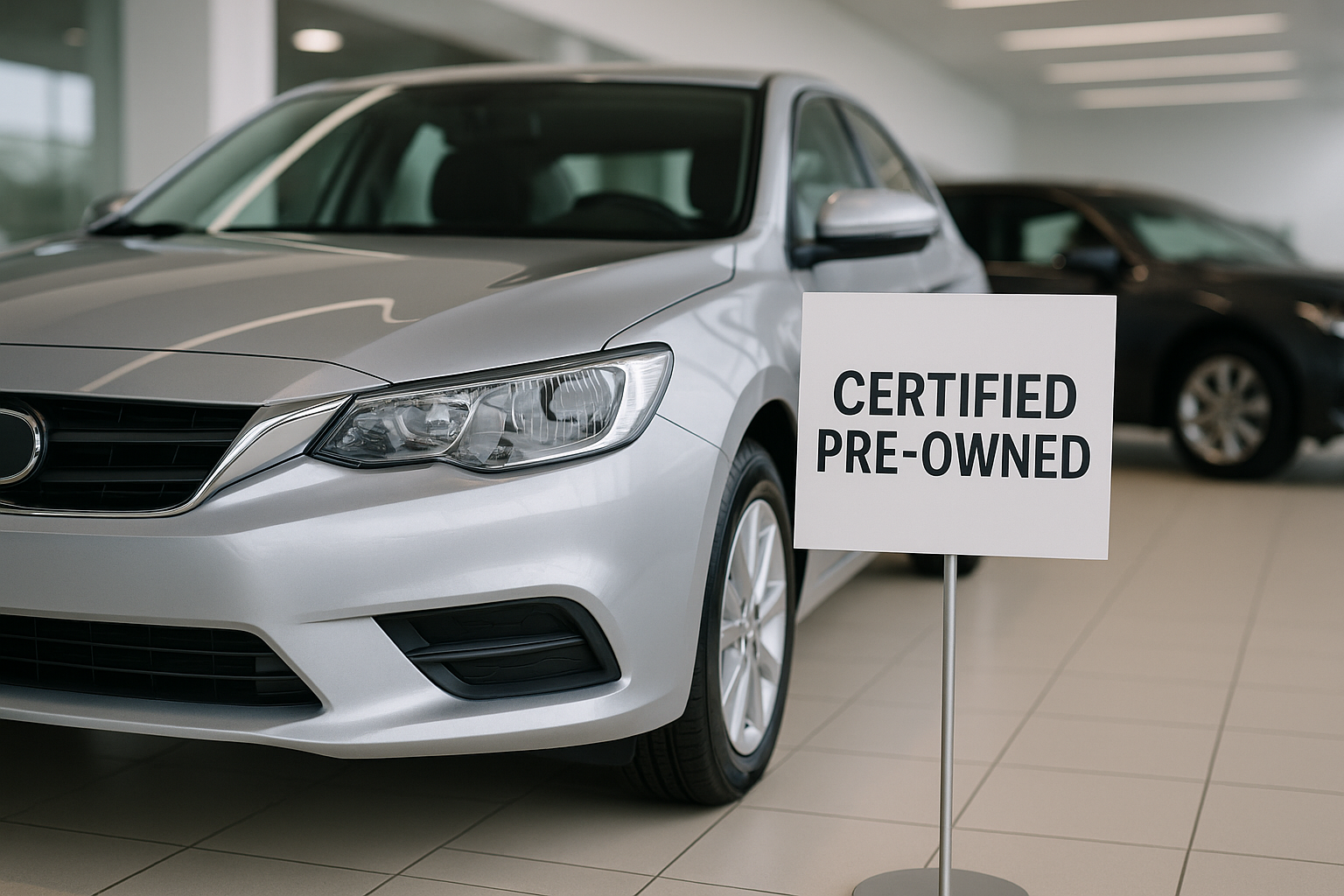
A certified pre-owned (CPO) car is a late-model, low-mileage used vehicle that has passed a manufacturer-designed inspection and reconditioning process and is sold with an extended, automaker-backed warranty. Benefits typically include roadside assistance and other perks. CPO vehicles cost more than comparable non-certified used cars and are usually available only through franchised dealerships for that brand. You get many of the protections of buying new at a lower price, with fewer unknowns than a standard used car. Program details vary by manufacturer, so always read the specific coverage terms for the exact VIN you’re considering.
What “Certified Pre-Owned” Actually Means
“Certified” isn’t just a sales label. Under a factory-backed CPO program, the automaker sets eligibility rules, inspection checklists, and warranty coverage. Only vehicles that meet those standards—and are retailed by the brand’s franchised dealers—can carry the manufacturer’s CPO badge.
Common elements include:
- Eligibility caps: Usually limited to vehicles within about 5–7 model years and under 60,000–80,000 miles (varies by brand and program tier).
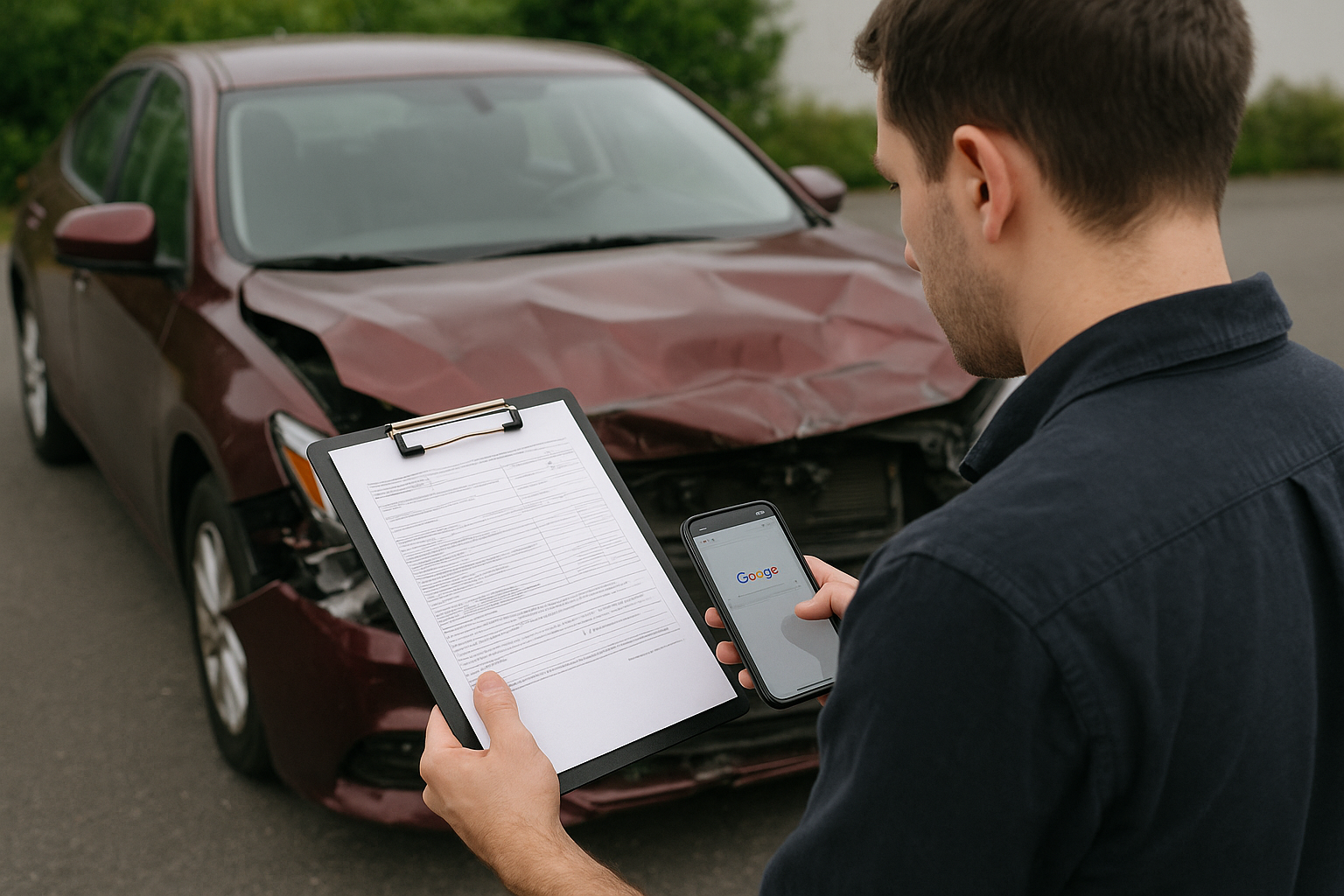
- Vehicle history review: Clean title and a documented history report (Carfax or AutoCheck). Many programs exclude vehicles with lemon/buyback titles or major accident history.
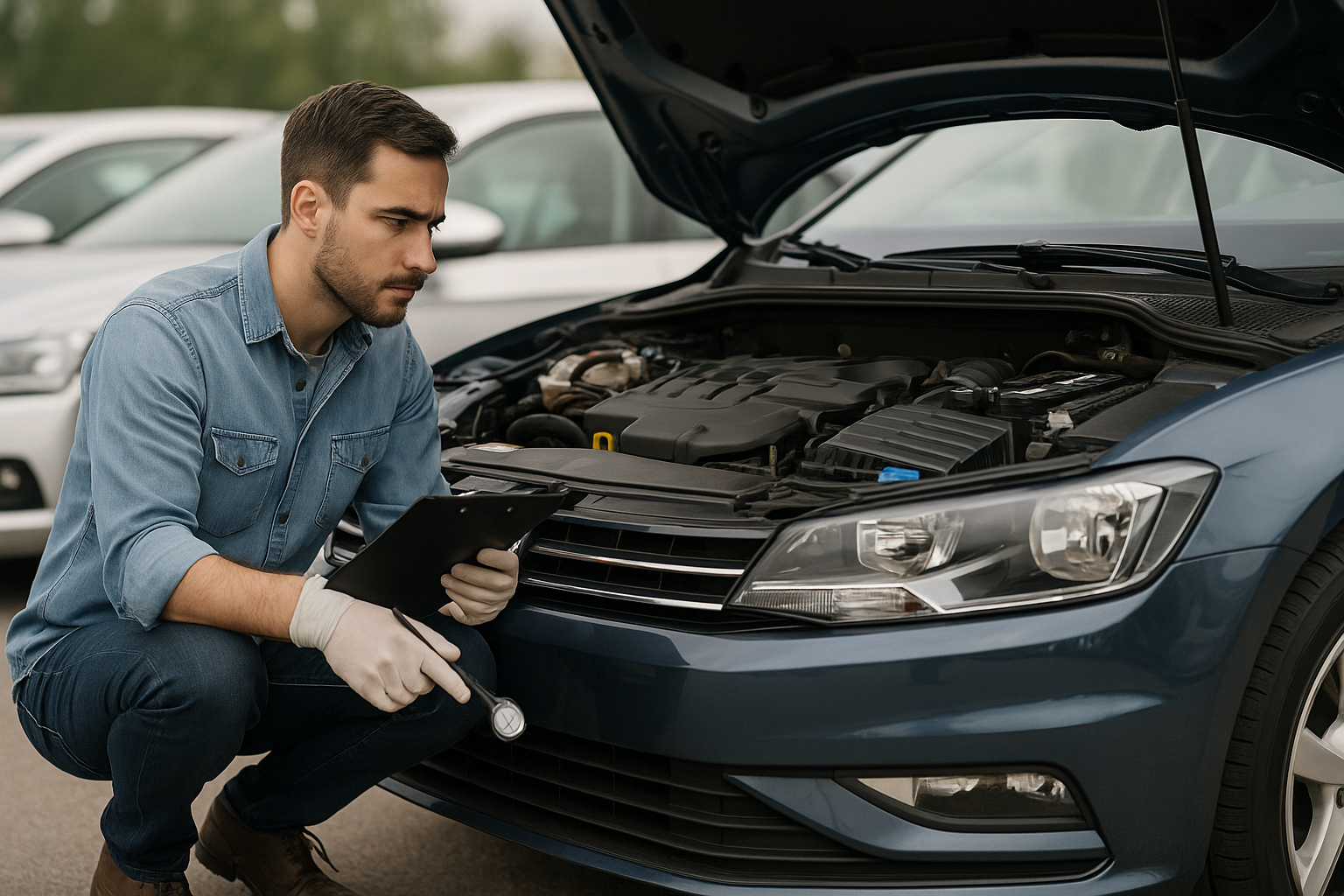
- Multi-point inspection: Often 125–200+ items covering mechanical systems, electronics, body, and safety equipment, plus a road test.
- Reconditioning: Required repairs and maintenance using OEM or OEM-approved parts to bring the vehicle up to program standards.
- Warranty: Added comprehensive and/or powertrain coverage, often extending total powertrain protection to 6–7 years/100,000 miles from the original in-service date.
- Perks: Roadside assistance, rental or loaner coverage during warranty repairs, and sometimes complimentary maintenance for a set time or mileage.
Some dealers also advertise “dealer-certified” or third-party certified cars. These are not factory CPO. They may include a service contract from a warranty company, but they don’t come with automaker-backed coverage or standardized criteria. Know which type you’re evaluating.
CPO vs. New vs. Used: Key Differences
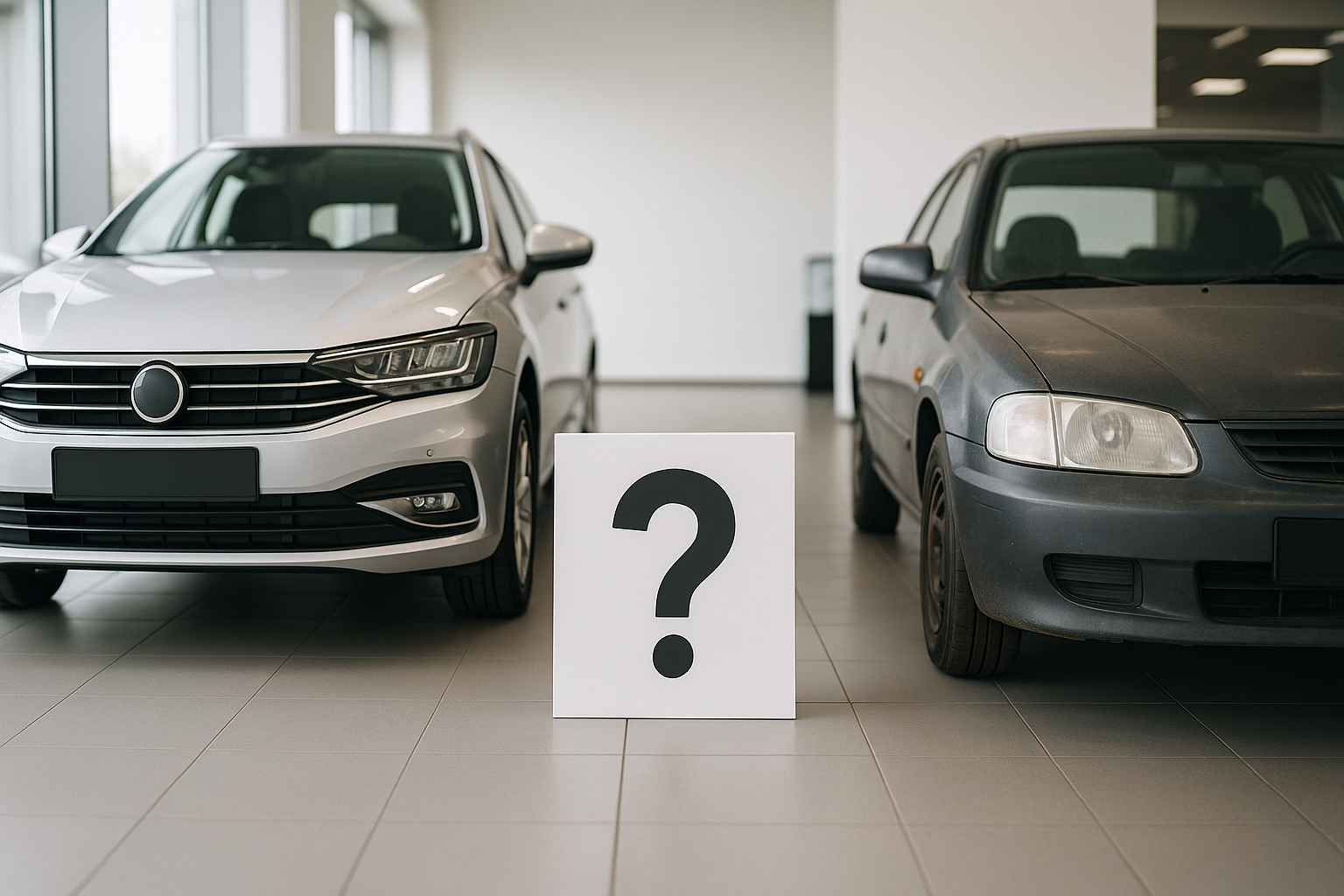
Here’s how the three most common choices stack up:
| Feature | New | Certified Pre-Owned | Non-Certified Used |
|---|---|---|---|
| Age/Mileage | 0 miles, current model year | Typically 1–7 years old, often under 60k–80k miles | Any age/mileage |
| Price | Highest | Mid; usually 3–7% more than similar non-CPO used | Lowest |
| Inspection/Reconditioning | Factory-new standards | Automaker-mandated inspection and reconditioning | Dealer discretion; varies widely |
| Warranty Coverage | Full new-car warranty | Extended powertrain (often up to ~6–7 yrs/100k miles total) plus limited comprehensive | Remainder of factory warranty only, if any |
| Perks | Roadside, maintenance plans vary | Roadside, rental/loaner, sometimes maintenance | Usually none |
| Financing Offers | Often best incentives | Often improved APRs vs. used; OEM specials are common | Market-rate used-car financing |
| Where Sold | Franchised dealers | Franchised dealers of the same brand (factory CPO) | Any dealer or private party |
| Return or Exchange Policy | Varies by brand/dealer | Some programs include a limited exchange window | Dealer-specific, if any |
What the CPO Inspection Really Covers
While checklists vary, a credible factory CPO inspection typically includes:
- Powertrain: Engine compression or performance checks, leaks, timing components where applicable, transmission operation and fluid condition, differential/transfer case function.
- Brakes and Suspension: Pad/rotor thickness, caliper operation, brake fluid, shocks/struts, bushings, alignment checks, steering play.
- Tires and Wheels: Tread depth and even wear, sidewall condition, TPMS function, OEM-spec tires or equivalent; replacement if below set thresholds.
- Electrical and Infotainment: Battery and charging system, lighting, gauges, infotainment software, Bluetooth/CarPlay/Android Auto, nav functionality.
- Safety Systems: Airbags and sensors, seatbelts, ABS/ESC, advanced driver-assistance systems (ADAS) like adaptive cruise and lane keeping; calibration if needed.
- HVAC and Comfort: Heating, A/C performance, cabin filter, seat heaters/ventilation, sunroof operation.
- Body and Frame: Paint and panel fit, corrosion points, evidence of structural repairs; glass and windshield integrity.
- Emissions/OBD: Scan for fault codes, pending issues, readiness monitors.
- Road Test: Cold start behavior, idle quality, transmission shift quality, noise/vibration, straight-line tracking and braking.
Anything that fails the checklist must be repaired or replaced to program standards before certification. Repairs are generally completed with OEM or OEM-approved parts and documented on a signed inspection form you can request.
Understanding CPO Warranties
CPO warranties add coverage beyond whatever remains of the original new-car warranty. Read the contract closely, focusing on:
- Coverage type: Many programs include a limited “comprehensive” (bumper-to-bumper) term that starts at CPO purchase—often 12 months/12,000 miles—plus extended powertrain coverage that runs from the original in-service date and can reach 6–7 years or up to 100,000 miles total. Terms vary by brand and vehicle.
- Deductible: Some repairs have a $0–$250 deductible per visit; a few charge per repair order. Ask before signing.
- What’s excluded: Wear items like brake pads, wiper blades, clutches, and tires are usually not covered. Cosmetic issues and interior trim are commonly excluded.
- Transferability: Many CPO warranties transfer to the next owner, sometimes for a small fee. That can help resale value.
- Where you can service: Factory CPO repairs are typically honored at franchised dealers nationwide. Third-party CPO or extended service contracts may limit repair networks.
- Roadside assistance: Coverage often includes towing, lockout help, jump-starts, and trip-interruption reimbursement for a set term.
Pros and Cons of Buying CPO
Advantages
- Lower risk than standard used cars thanks to standardized inspections and reconditioning.
- Factory-backed warranty and roadside assistance for predictable ownership costs.
- Access to better-than-used financing rates and occasional OEM incentives on popular CPO models.
- Convenience extras such as loaner cars during warranty repairs and short exchange windows on some programs.
- Stronger resale story: documented care under a recognized program and transferable coverage.
Drawbacks
- Higher price than non-certified used—often 3–7% more for an otherwise comparable car, plus possible certification fees.
- Program variability—coverage length and what’s included differ by brand and even model year.
- Not necessarily accident-free; minor repaired damage may still qualify.
- Limited selection; availability depends on lease returns and trade-ins at franchised dealers.
Who a CPO Car Suits Best
CPO fits buyers who want a late-model car with predictable costs and aren’t chasing the absolute lowest price. It’s a strong match if you:
- Value a warranty and a nationwide repair network.
- Prefer documented inspections and reconditioning.
- Plan to finance and can take advantage of OEM CPO APR specials.
- Don’t have the time or interest to arrange your own pre-purchase inspection and repairs.
If you’re highly price-sensitive, handy with repairs, or expect to rack up high mileage that quickly exhausts the warranty term, a non-certified used car—paired with a meticulous pre-purchase inspection—may be the better financial play.
How to Shop for a CPO Car the Smart Way
- Start with the automaker’s CPO site: Each brand lists program terms and certified inventory at franchised dealers. This helps confirm a vehicle is truly factory CPO.
- Compare by VIN: Cross-check the VIN on the listing against the OEM CPO inventory and request the official inspection checklist and reconditioning invoice.
- Scrutinize the history: Read the Carfax/AutoCheck for prior accidents, ownership type (rental, fleet, personal), and maintenance records. A clean report isn’t a guarantee, but it filters risk.
- Inspect wear items: Tires, brakes, battery, and fluids. If tires are mismatched or near the wear bars, ask whether the dealer will replace them to meet CPO standards.
- Ask about warranty timing: Clarify whether the comprehensive coverage starts at purchase and whether powertrain coverage counts from the original in-service date or your delivery date.
- Check for open recalls: Ensure recalls are completed before delivery; that’s free and should be part of reconditioning.
- Negotiate the price and fees: Compare similar CPO listings across multiple dealers. Question “certification fees,” high doc fees, and add-ons like nitrogen fills, VIN etching, or GPS trackers unless you want them.
- Take a thorough test drive: Evaluate cold start, road noise, alignment, transmission behavior, and ADAS features. Confirm all keys, floor mats, manuals, and EV chargers (if applicable) are included.
- Consider an independent inspection: Even with CPO, a third-party pre-purchase inspection can catch issues not covered or not yet failing.
- Line up financing: Get preapproved with your bank or credit union, then ask the dealer for CPO APR specials. Use the better offer.
Costs, Fees, and What Affects CPO Pricing
CPO vehicles cost more than similar non-certified used cars. Expect a typical premium of 3–7%, with wider swings based on brand demand, model popularity, warranty length, and reconditioning scope. Dealers may itemize a certification fee—commonly $500–$1,200—to offset inspection and reconditioning costs. In some markets, that fee is baked into the advertised price; in others, it appears late in the worksheet. Treat it like any negotiable line item.
Other pricing drivers include regional supply of off-lease returns, seasonal promotions, and model updates. A refreshed or redesigned model year can push down prices on outgoing versions, including their CPO inventory. Luxury brands may carry higher CPO premiums due to costlier parts and longer warranty terms.
Financing and Insurance Considerations
Automakers frequently support CPO with special APRs, sometimes close to new-car rates on shorter terms. If you need a longer term, compare the OEM offer with credit union rates. GAP coverage can make sense on longer loans with small down payments, but weigh the cost against expected depreciation.
Insurance premiums for CPO are generally similar to non-certified used of the same model and year; certification status doesn’t change the insurer’s risk model. However, newer CPO vehicles often include ADAS features that can influence premiums and repair costs—sometimes lowering claim frequency but raising repair expenses after a collision.
Myths and Red Flags
- Myth: “CPO means accident-free.” Reality: Many factory programs will certify cars with minor, fully repaired incidents. Review the inspection and history.
- Myth: “All CPO warranties are the same.” Reality: Terms vary widely. Some offer only powertrain coverage, others add meaningful bumper-to-bumper protection.
- Red flag: “CPO” at an independent lot without brand affiliation. That’s likely a dealer or third-party warranty—not factory CPO.
- Red flag: Missing inspection report, thin reconditioning records, or mismatched tires. These hint at corner-cutting.
- Red flag: High-pressure pitches for add-on service contracts “to make it a real CPO.” Factory CPO already includes coverage; extras are optional.
Special Considerations for Hybrids and EVs
CPO hybrids and EVs add a few checks:
- Battery health: Ask for a traction battery health report or capacity test where available. Some brands include battery-specific warranty extensions on CPO.
- Charging equipment: Ensure the portable EVSE and any adapters are included and functional; replacements can be costly.
- Thermal management and software: Confirm relevant software updates and cooling system maintenance have been performed.
- Range expectations: For used EVs, range typically declines with age and use. Compare real-world owner reports for that model and climate.
Alternatives to CPO
If CPO inventory is thin or pricing is high, consider:
- New cars with rebates or low APR that narrow the gap.
- Non-certified used plus an independent pre-purchase inspection and a reputable third-party service contract, priced carefully.
- Manufacturer extended warranties bought before the original warranty expires, if you already own a qualifying vehicle.
- Lease takeovers or off-lease vehicles you “certify” yourself through careful inspection and strong maintenance records.
Bottom Line
A certified pre-owned vehicle offers a middle path: more confidence and coverage than a standard used car at a lower cost than new. The real value depends on the specific program terms, the vehicle’s condition, and the price premium. Do the paperwork—read the warranty, verify the inspection, and compare offers—and CPO can deliver worry-reduced ownership without paying new-car money.
Frequently Asked Questions
Are certified pre-owned cars worth the premium?
Often, yes—especially if you value warranty protection and hassle-free repairs at franchised dealers. The premium can be offset by reduced repair risk, roadside assistance, and better financing. If you have a trusted mechanic and are comfortable managing potential repairs, a non-certified used car may be cheaper overall.
Can I buy a factory CPO car from any dealer?
Factory CPO vehicles are sold only by franchised dealers for that brand. If you see “certified” at an independent lot, it’s almost certainly a dealer or third-party program, not manufacturer-backed. Ask to see the official OEM checklist and warranty details to confirm.
Do CPO cars come with maintenance included?
Some programs include limited complimentary maintenance (for example, a set number of oil changes or a one-year plan), but many do not. Routine items like oil, filters, and brake pads are typically your responsibility unless the brand offers a maintenance perk in its CPO package.
Are CPO cars always accident-free?
No. Many factory programs will certify vehicles that have had minor, properly repaired damage and retain a clean title. Serious collision or structural damage usually disqualifies a car. Review the vehicle history report and ask for body shop invoices if the report shows an incident.
Can I still get an independent inspection on a CPO car?
Yes, and it’s a smart move. A third-party pre-purchase inspection can identify emerging wear items or issues that aren’t covered under the CPO warranty, helping you negotiate or choose a different car.
What voids a CPO warranty?
Misuse, racing, neglecting required maintenance, using non-approved tuning or modifications, and exceeding maintenance intervals can jeopardize coverage. Keep records of all service, use OEM-approved parts and fluids, and follow the maintenance schedule to preserve your warranty.
How long do CPO warranties last?
It depends on the brand. Many offer a comprehensive term around 12 months/12,000 miles from purchase and extend total powertrain coverage to roughly 6–7 years or 100,000 miles from the original in-service date. Always confirm the exact terms for the VIN you’re buying.