
Quick Answer
Dealer markup on a new car is any amount a dealership adds above the vehicle’s MSRP or above its own cost (invoice) to increase profit. It often appears as a “market adjustment” line on the window sticker or buyer’s order, and it can also be baked into mandatory accessories or protection packages. Markups tend to rise on high-demand or limited-supply models and can range from zero to several thousand dollars, but they’re usually negotiable.
What Dealer Markup Actually Is
Dealer markup is a discretionary price increase set by the dealership, not the automaker. It’s sometimes labeled “ADM” (Additional Dealer Markup) or “market adjustment.” Unlike taxes and government fees, there’s no legal requirement that it exist. The amount reflects availability, demand, and the dealer’s pricing strategy. During hot product launches or supply shortages, markups are common; when inventory is plentiful, they tend to disappear.
Markup can be direct or indirect. The direct kind shows up as a separate line above MSRP. The indirect kind appears when a store makes certain add-ons or protection packages “mandatory,” effectively raising the selling price without calling it a markup. However it’s labeled, your out-the-door price goes up. Knowing how a quote moves from MSRP to your final price helps you spot where markup lives—and how to challenge it.
MSRP, Invoice, and the Price You Actually Pay
New-car pricing has several layers. Dealers buy cars from manufacturers at or near “invoice,” and manufacturers often pay dealers “holdback” or bonuses later. You see the MSRP on the Monroney label (the factory window sticker), but your final cost reflects a mix of dealer-set and government-set items:
| Price/Item | What It Means | Who Sets It | Notes |
|---|---|---|---|
| MSRP | Manufacturer’s Suggested Retail Price on the Monroney sticker | Automaker | Starting point, not a cap. Includes destination charge. Dealers may sell at, below, or above. |
| Invoice | Dealer’s published cost before holdback/incentives | Automaker to dealer | Net cost can be lower than invoice due to holdback (often ~2–3% of MSRP) and bonuses. |
| Market Adjustment (ADM) | Direct markup above MSRP | Dealer | Common on new releases or rare trims; entirely negotiable. |
| Add-ons/Packages | Accessories, protection, etching, nitrogen, tint, wheel locks, etc. | Dealer | Sometimes pre-installed and presented as “required.” Often negotiable or removable. |
| Doc/Processing Fee | Paperwork and compliance processing | Dealer (state may cap) | Not a government fee; varies by state and store and is usually charged to all buyers. |
| Taxes, Title, Registration | Sales tax and DMV fees | Government | Non-negotiable; rates vary by location. |
Two common confusions: the factory destination charge is included in MSRP and is not a dealer markup, and regional advertising/association fees sometimes appear on invoice or sticker depending on brand and region. You can negotiate the total selling price to offset them even if they’re not removable line-by-line.
Where Markup Shows Up
Dealers can raise the price in a few predictable places:
- Direct “market adjustment” on the window sticker or buyer’s order (often a separate addendum sticker).
- Pre-installed packages: paint protection, VIN etching, wheel locks, nitrogen fill, door edge guards, pinstripes, mudflaps.
- Aftermarket electronics: alarms, trackers, remote start, tint, infotainment add-ons (frequently labeled DIO—dealer-installed options).
- Protection products at signing: extended warranties, service plans, tire-and-wheel protection, GAP. These aren’t the vehicle price but can inflate your total cost.
If the dealership insists an add-on is “required,” ask for proof it’s listed on the factory Monroney label. If it’s only on a dealer addendum, it’s a dealer choice—and fair game to negotiate or decline.
Why Dealers Add Markup
Markup is a response to supply and demand and a way to manage profitability. Drivers include:
- Limited allocations on hot trims or new launches.
- Carrying costs (floorplan interest) while vehicles sit on the lot.
- Staffing and facility overhead mandated by some brand programs.
- Offsetting thin margins on commodity models with stronger margins elsewhere.
It’s a profit strategy, not policy from the automaker. Some brands discourage markups publicly on certain models, but because stores are independent franchises, pricing decisions usually rest with the dealer.
What’s Typical Right Now
Market conditions change, but you’ll generally see:
- Common models with healthy supply: selling at MSRP or modest discounts below MSRP.
- Hot releases, limited editions, performance trims: $1,000 to $10,000+ markups, depending on hype and scarcity.
- EVs and hybrids: mixed. Tight supply can create premiums, while incentives or regional demand can push prices to MSRP or below.
- Luxury brands: percentage markups similar to mainstream segments, but the absolute dollars are higher.
Local factors matter. Urban stores with heavy traffic may push higher addendums; rural dealers might be more flexible, especially if you’re willing to order and wait. Compare multiple quotes within a 100–300 mile radius to define “normal” for your target model.
How to Spot Markup on Paperwork
Ask for a written, line-item out-the-door (OTD) quote before visiting. Then:
- Verify MSRP against the factory Monroney label, not a dealer-made addendum.
- Look for “market adjustment,” “ADM,” “addendum,” or “reconditioning” charges that pad the price.
- Scan for pre-installed accessories you didn’t request or don’t value.
- Separate government fees (tax, title, registration) from dealer-set fees (doc fee, accessories).
- If you’re ordering a vehicle, get a signed agreement for MSRP (or a specific discount) with no ADM at delivery and the exact trim/options listed.
Negotiation Playbook to Reduce or Remove Markup
- Shop multiple dealers. Request OTD quotes by email or text from several stores and let them know you’re comparing.
- Be flexible on trim, options, and color. A different configuration can bypass a markup-heavy unit.
- Offer to factory-order. Many dealers accept MSRP or a small discount on orders if you can wait.
- Time your purchase. End of month/quarter, when a shipment lands, or near model-year changeover can improve leverage.
- Decline add-ons. Ask the dealer to remove or discount pre-installed accessories you don’t want. If removal isn’t possible, push for a full credit.
- Negotiate each bucket separately: vehicle price, accessories, doc fee, and trade value. Don’t let gains in one area hide losses in another.
- Use data. Bring competing quotes and third-party price guidance to anchor your ask.
- Get preapproved financing from a bank or credit union. You can still let the dealer try to beat it, but preapproval controls the APR and protects your budget.
- Be ready to walk. The ability to leave and buy elsewhere is your strongest leverage.
When Paying a Markup Might Make Sense
If you need a specific model or trim quickly—say, for business use—or the vehicle is a low-production special you plan to keep long-term, a reasonable markup can be acceptable. Run the math on total cost of ownership and likely depreciation. A steep premium on a hyped model may vanish in resale value within a year or two if supply catches up. A modest premium on a truly scarce model might hold up. Opportunity cost and timing matter as much as the sticker.
Leasing and Financing: Hidden Markups to Watch
Even if the vehicle price is at MSRP, profit can shift to the finance office:
- Money factor markup (leases): Dealers can raise the lease rate above the bank’s buy rate. Ask for the exact money factor and residual and compare to published program numbers.
- Loan rate markup: Dealers may add a reserve on top of a lender’s approved APR. Preapproval keeps this in check.
- GAP, warranties, and service plans: Useful for some buyers but priced with wide margins. Shop these separately; many banks and insurers sell GAP for less.
- Add-ons rolled into financing: Spreads cost over time and hides markup. Always verify total OTD and the monthly payment separately.
Example: From MSRP to Out-the-Door
Here’s a simplified illustration. Actual taxes and fees vary by state and county.
| Line | Amount | Notes |
|---|---|---|
| MSRP | $35,000 | Factory sticker price |
| Market Adjustment | $1,500 | Dealer markup (ADM) |
| Dealer Accessories | $800 | Tint + wheel locks |
| Manufacturer Rebate | -$750 | Customer cash incentive |
| Taxable Subtotal | $36,550 | 35,000 + 1,500 + 800 – 750 |
| Sales Tax (7%) | $2,558.50 | Rate varies by location |
| Doc/Processing Fee | $300 | Dealer-set; may be capped by state |
| Title/Registration | $400 | State/DMV fees |
| Out-the-Door Total | $39,808.50 | What you actually pay |
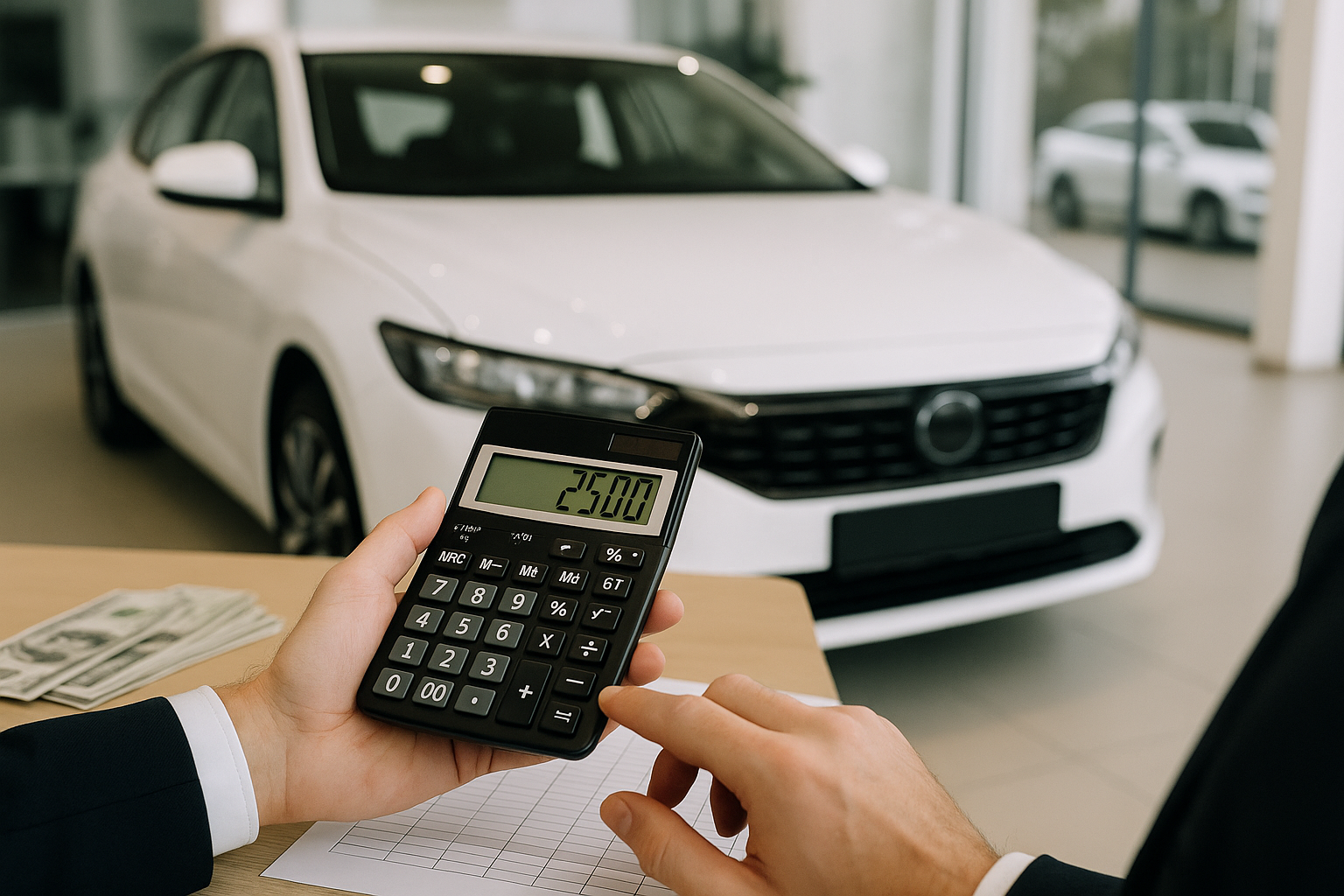
In this example, the markup and accessories add $2,300 before tax, with an effective impact over $2,400 once sales tax is applied. If you finance the vehicle, interest is calculated on the higher amount, further increasing the long-term cost of markup.
State Rules and Brand Policies
Most states allow dealers to set their own vehicle prices. Some states cap doc fees or require standardized fee disclosures, but few regulate or ban markups. Automakers can request that dealers avoid ADM on certain models, yet franchise laws typically prevent them from dictating retail pricing. Direct-to-consumer brands that don’t use franchised dealers set their own prices, though those vehicles may carry separate fees and wait times. Because rules and caps vary widely, check your state’s attorney general or DMV website for current fee limits and disclosure requirements.
Alternatives If the Markup Won’t Budge
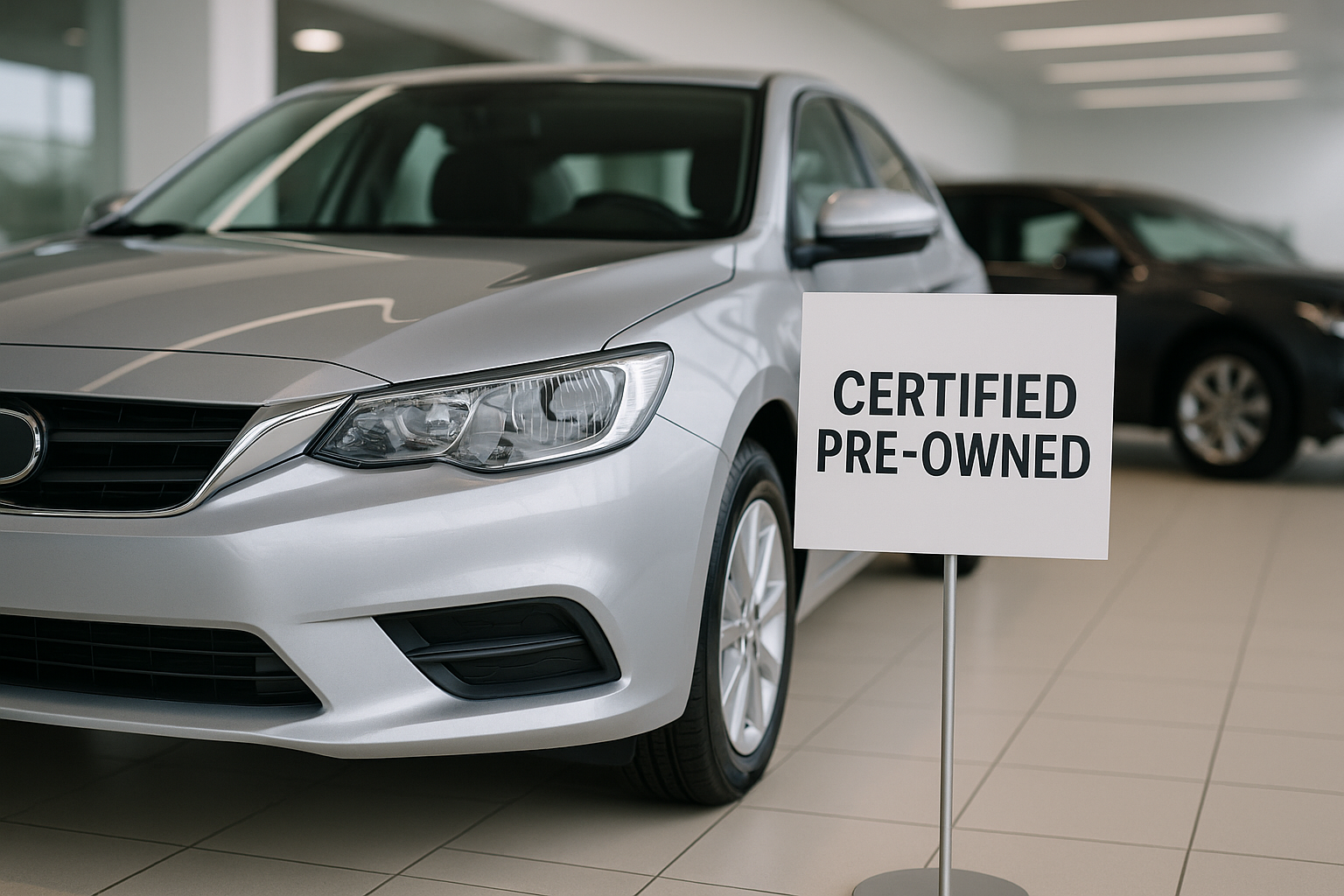
Broaden your search and compare inventory within several hundred miles. Consider ordering at MSRP and waiting, or switch to a different trim, drivetrain, or color with better availability. Look at certified pre-owned or nearly new used models of the same vehicle; a one-year-old car may avoid markup and still carry warranty coverage. If timing allows, revisit the deal next month when incentives or allocations change. You can also ask to be placed on a no-markup waitlist if the store maintains one.
Frequently Asked Questions
Is dealer markup legal?
Yes. Dealers are independent businesses and can set retail prices above or below MSRP. While some states cap certain fees (like doc fees), they generally don’t cap the vehicle’s selling price. That’s why shopping multiple dealers and getting written OTD quotes is essential. Government-set items such as tax and registration aren’t negotiable, but add-ons and market adjustments are.
Can a dealer mark up a car that I factory-order?
They can, unless you lock the price in writing at the time of order. If you’re placing a factory order, insist on a signed buyer’s order specifying MSRP (or a fixed discount) with no ADM at delivery, and clarify how incentives will be applied. Get color, trim, options, and the expected delivery window on the agreement to avoid surprises when the car arrives.
What’s a fair price over MSRP?
There’s no universal “fair” premium. For common models with healthy supply, aim for MSRP or better. For limited, newly launched, or halo trims with long waitlists, a modest markup (hundreds to low thousands) may be realistic, while five-figure premiums are often speculative. Let competing OTD quotes and your timeline guide your ceiling, and weigh likely depreciation once supply improves.
Do dealers still have profit if they sell at MSRP?
Often, yes. Dealers may receive holdback (a small percentage of MSRP) and various factory bonuses or stair-step incentives tied to sales volume. They can also earn on financing and products sold in the finance office. That’s why some stores will do MSRP or discounts when inventory moves slowly, even if the front-end vehicle margin looks thin.
How do I avoid paying for unwanted add-ons?
Ask for the factory Monroney label and compare it to any dealer addendum. If the item isn’t on the factory label, it’s dealer-installed and negotiable. Request removal or a full discount. If removal isn’t possible, price comparable vehicles elsewhere. Make it clear you’ll only sign for the base vehicle at your agreed price and will decline extras.
Is dealer markup taxed?
In most states, yes. Markups and dealer-installed accessories that are part of the vehicle purchase are included in the taxable selling price. That means you pay sales tax on the markup and may pay more interest if you finance the higher amount.
Does paying cash help avoid markup?
Not usually. Dealers may prefer financed deals because they can earn a reserve from the lender, which sometimes makes them more flexible on price. Cash can simplify the process, but your leverage comes from competitive quotes and a clear OTD target, not the payment method.